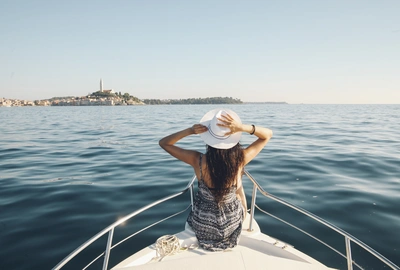
Rovigno se ne sta appollaiata su una penisoletta tozza che si infila nell'Adriatico, con le sue case dai tetti rossi che salgono lungo un'unica collina, in cima il campanile in stile veneziano. Fino al 1763 era un'isola vera e propria, poi hanno riempito il canale che la separava dalla terraferma — ma l'atmosfera è rimasta quella: silenziosa, tutta da girare a piedi, un po' fuori dal tempo. Ecco cosa vale la pena fare quando arrivi.
Perdersi nel centro storico
Si entra dall'Arco dei Balbi, del 1680, ancora sorvegliato dal leone di San Marco. Da lì parte un intreccio di viuzze con i panni stesi, gallerie di artigiani, finestre con le persiane chiuse e gatti che dormono sulle soglie — tutto sale verso Monte, la collina in cima alla città vecchia.
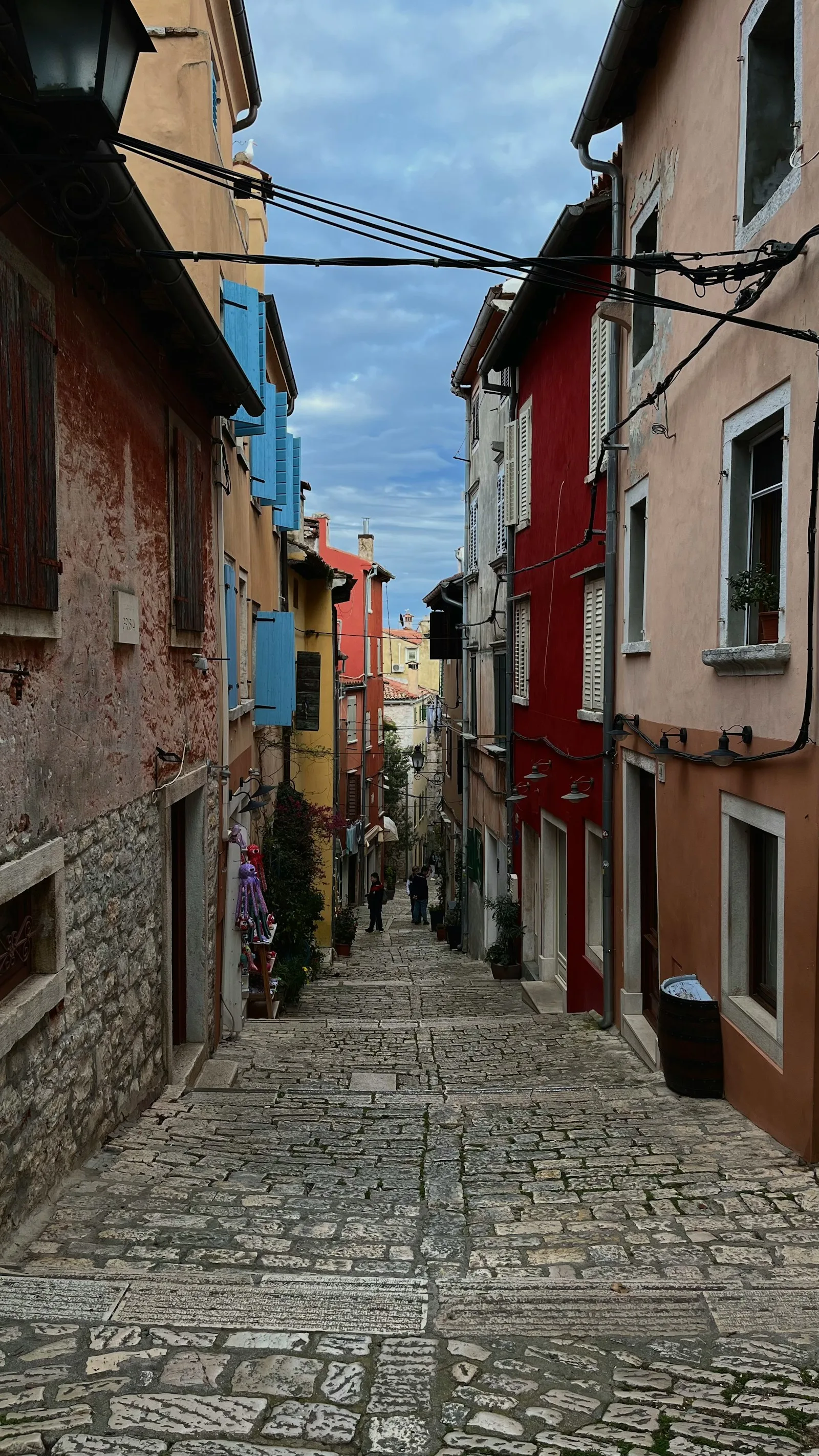
Da non perdere Via Grisia, la stradina lastricata che sale verso la chiesa, piena di piccole gallerie e botteghe di artisti. La seconda domenica di agosto si trasforma in una mostra a cielo aperto per la tradizionale fiera d'arte di Rovigno — una delle più antiche dell'Adriatico.
Per un giro più approfondito, dai un'occhiata alla nostra guida a piedi del centro storico di Rovigno.
Salire sul campanile di S. Eufemia
Il campanile alto 61 metri della chiesa di S. Eufemia è ispirato al Campanile di San Marco a Venezia, e salire quella vecchia scala di legno è il modo migliore per capire come è fatta Rovigno. Dall'alto vedi il porto, l'arcipelago sparpagliato come pietre di un guado, e nelle giornate limpide anche il massiccio dell'Učka verso est.
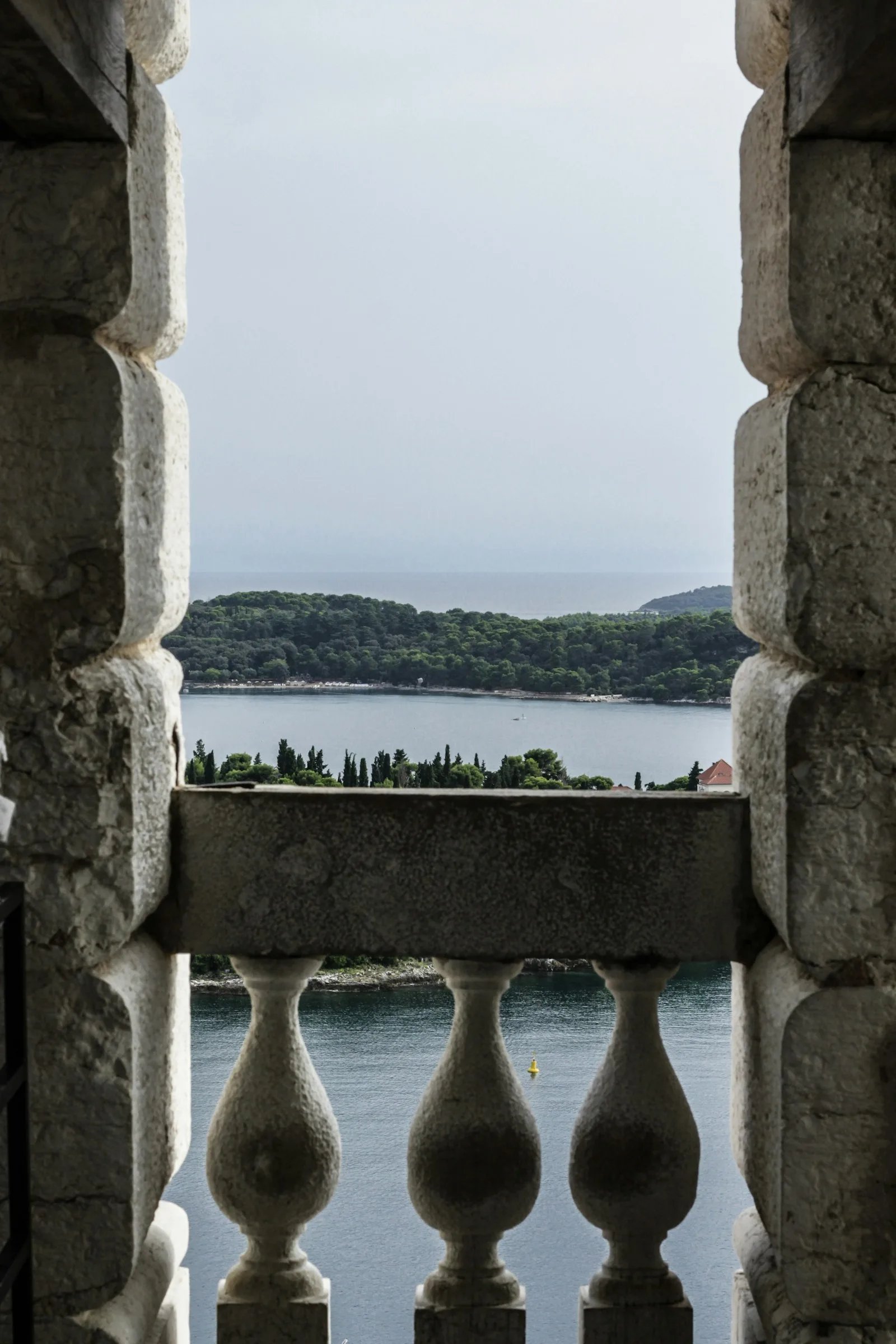
Dentro la chiesa barocca si trova il sarcofago in marmo della patrona della città, Eufemia, i cui resti — così dice la leggenda — approdarono sulla costa rovignese da Costantinopoli nell'anno 800. In stagione chiesa e campanile sono aperti tutti i giorni, si paga un piccolo biglietto per la salita. Tutta la storia, gli orari e com'è davvero la salita nella nostra guida alla chiesa e al campanile di S. Eufemia.
Fare un'escursione in barca alle isole
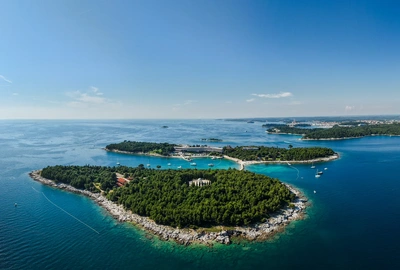
L'arcipelago di Rovigno conta 22 tra isole, isolotti e scogli, e per vederli non serve uno yacht privato.
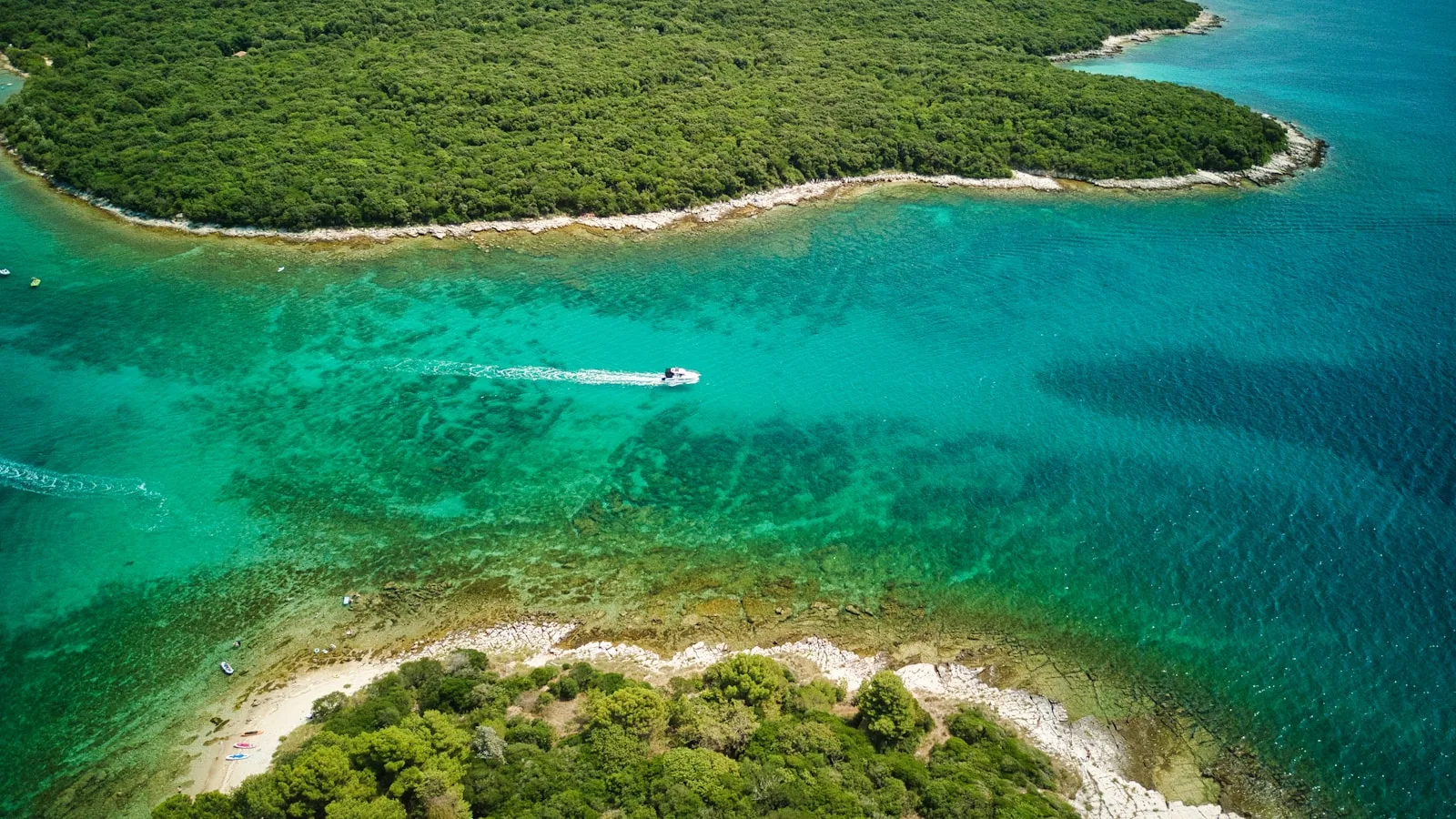
- Santa Caterina — la più vicina, con un hotel e calette tranquille per nuotare. D'estate i traghettini partono dal Molo piccolo ogni 30–60 minuti.
- Isola Rossa (Sant'Andrea) — più grande, con spiagge di ghiaia, sentieri e un resort. Traghetto regolare dal porto principale.
- Crociera al Canale di Leme — mezza giornata dentro un fiordo spettacolare lungo 10 km a nord della città, con allevamenti di ostriche e soste per il bagno.
- Crociere al tramonto — le nostre preferite per una serata lenta; la maggior parte parte all'ora dorata dal Molo Grande.
I tour organizzati in barca partono dal porto per tutta la stagione — basta fare due passi lungo il Molo piccolo e il Molo Grande e trovi tutti i cartelli con rotte e prezzi. Per capire che tipi di escursioni ci sono e come scegliere, leggi la nostra guida alle gite in barca.
Partner Giro in barca · Escursione Nemo Rovinj da 15 € a persona Crociere panoramiche a fondo di vetro, trasferimenti per le isole e tour al tramonto tra i delfini dal porto di Rovigno. Prezzi e dettagli →Fare il bagno a Punta Corrente
A 20 minuti a piedi a sud del centro storico, Punta Corrente — conosciuta anche come Zlatni Rt, il Capo d'Oro — è un parco protetto di 90 ettari con pini, cedri e cipressi piantati nell'Ottocento dal barone Hütterott, industriale austro-ungarico. La costa è fatta di calette rocciose e "spiagge" piatte di pietra calcarea dove si scende in acqua dalle scalette. L'acqua è trasparente come il vetro, di sabbia neanche l'ombra.
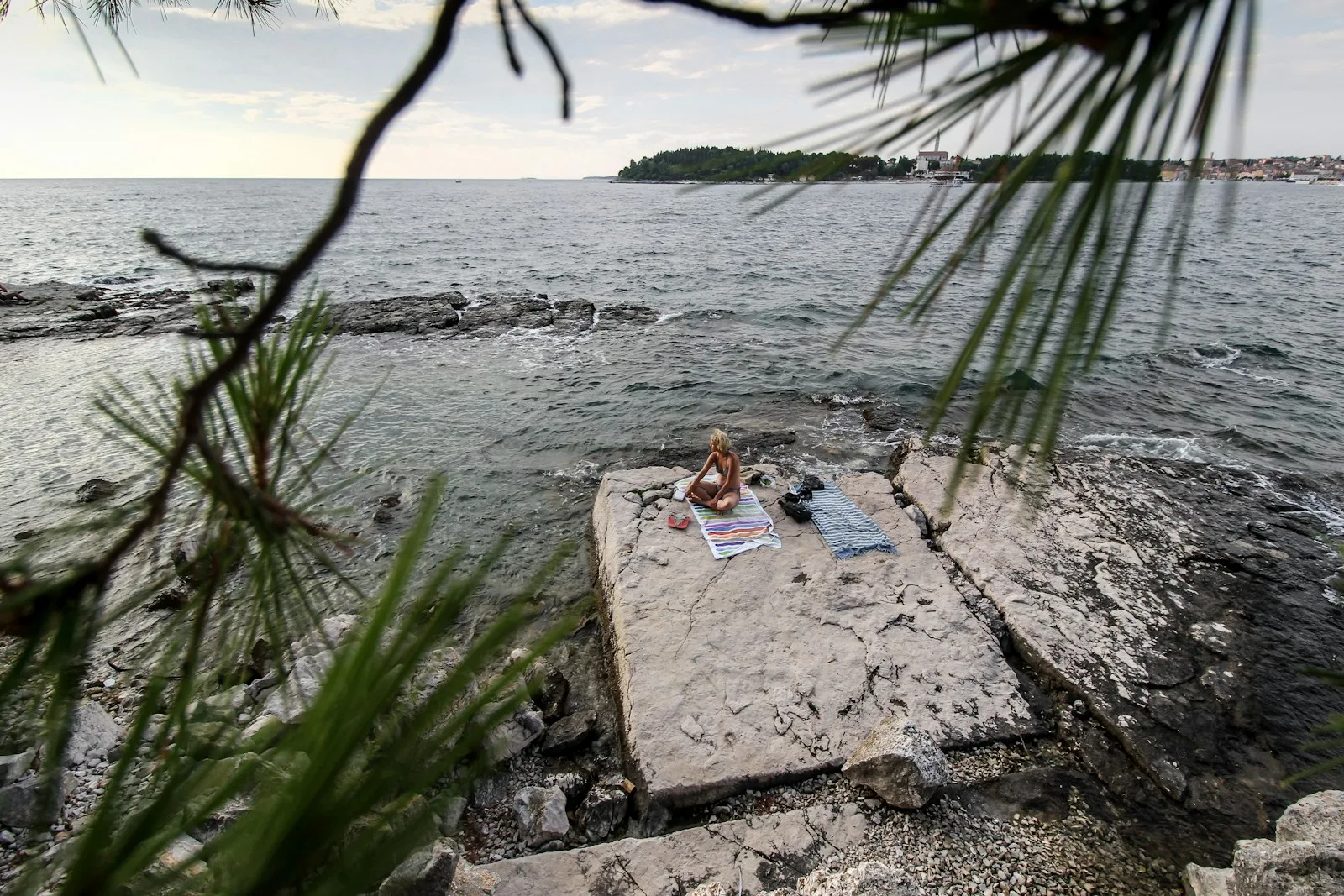
Si può anche girare in bici sui sentieri, arrampicare sulle pareti della vecchia cava o semplicemente cercarsi una caletta tranquilla e mettersi a leggere. Per noi è il posto migliore dove fare il bagno vicino alla città. Nella guida a Punta Corrente trovi la mappa completa del parco e i posti migliori per il bagno, oppure dai un'occhiata alla nostra guida alle spiagge e ai consigli dei locali.
Pedalare lungo la costa
Rovigno è piatta, calda, fatta apposta per le due ruote. Noleggia una bici per qualche ora e scendi verso sud attraverso Punta Corrente, lungo la costa oltre la Baia di Lone, fino a Cuvi e alle Villas Rubin. Se hai voglia di pedalare di più, puoi spingerti fino al Canale di Leme, circa 15 km all'andata.
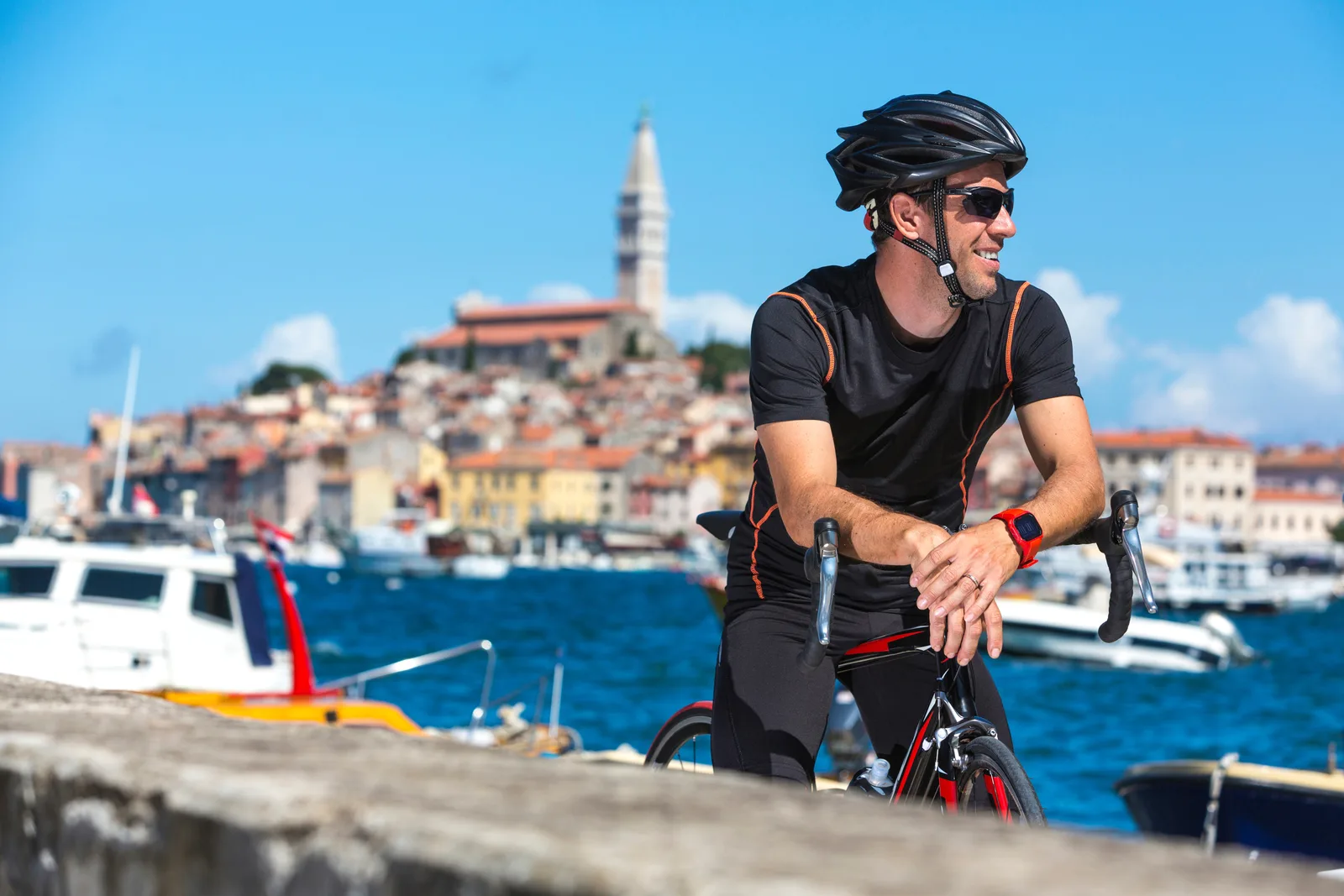
Quasi tutti gli hotel organizzano il noleggio; altrimenti trovi diversi noleggi in Obala Palih Boraca e vicino alla stazione degli autobus.
Partner Noleggio biciclette RM Group da 5 € all'ora Noleggio bici di qualità in tutta Rovigno Prezzi e dettagli →Mangiare e bere come i rovignesi
La cucina istriana è un mondo a sé — ha qualcosa di italiano ma è croata a tutti gli effetti, frutto di secoli di dominazione veneziana e di una tradizione locale molto testarda. Cosa cercare sui menù:

- Tartufi — il prodotto più famoso dell'Istria, neri o bianchi. Sui fuži, sulle uova strapazzate, o grattati freschi un po' su tutto in autunno.
- Boškarin — carne cotta a lungo del bue istriano, razza locale. Di solito brasato con la pasta o al vino rosso.
- Olio d'oliva — quelli istriani vincono regolarmente premi a livello mondiale. Prova una degustazione direttamente da un produttore.
- Malvasia e Terrano — il bianco e il rosso simbolo della regione. Nella maggior parte delle konobe si beve locale.
- Pesce fresco — pescato dell'Adriatico cotto alla brace con olio d'oliva, aglio e una strizzata di limone. Niente fronzoli, non ne servono.
Per sapere dove andare, leggi i nostri consigli sinceri sui ristoranti e la lista completa.
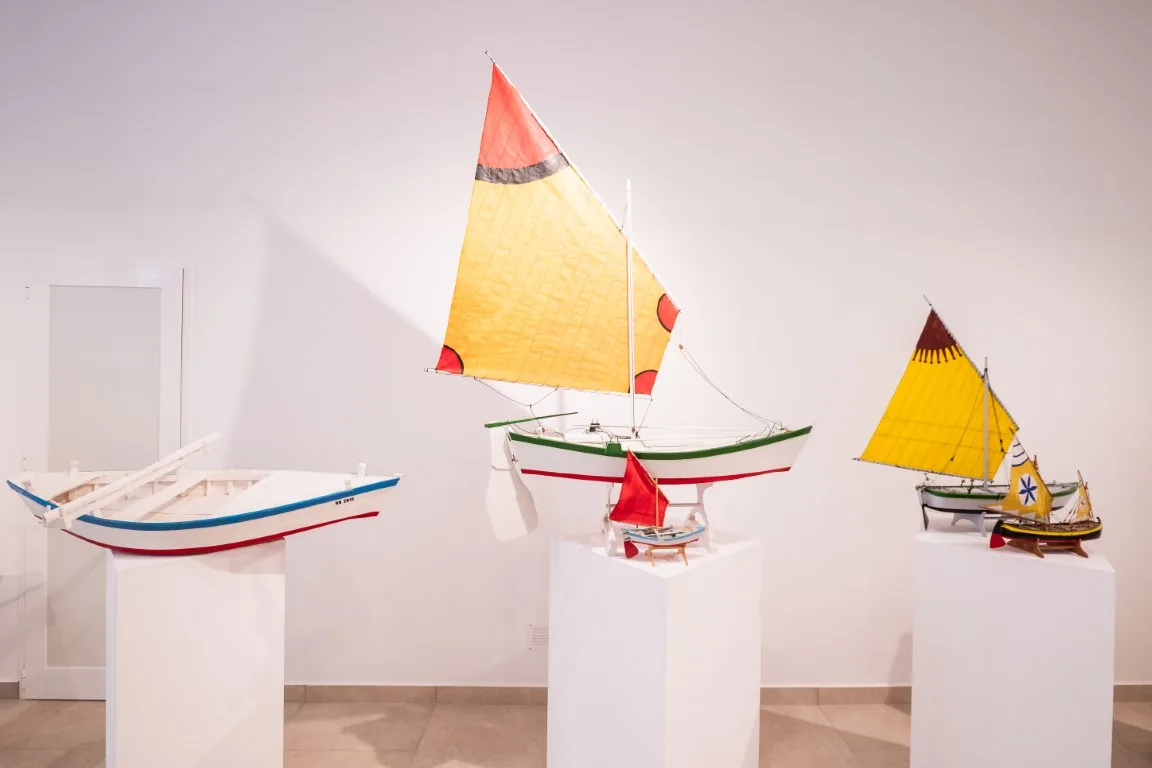
Visitare la Casa della batana
La batana è una barca da pesca in legno a fondo piatto tipica solo di Rovigno, e l'Ecomuseo della batana vicino al porto è riconosciuto dall'UNESCO come Patrimonio Culturale Immateriale. È piccolo e curato benissimo. Nelle sere d'estate il museo organizza lo Spacio — una serata in un'osteria rovignese tradizionale con canti bitinada e una remata in batana intorno al porto. Prenota in anticipo, i posti vanno a ruba.
Guardare il tramonto
Il porto di Rovigno è rivolto a ovest, quindi il tramonto è un appuntamento fisso ogni sera. I posti classici:
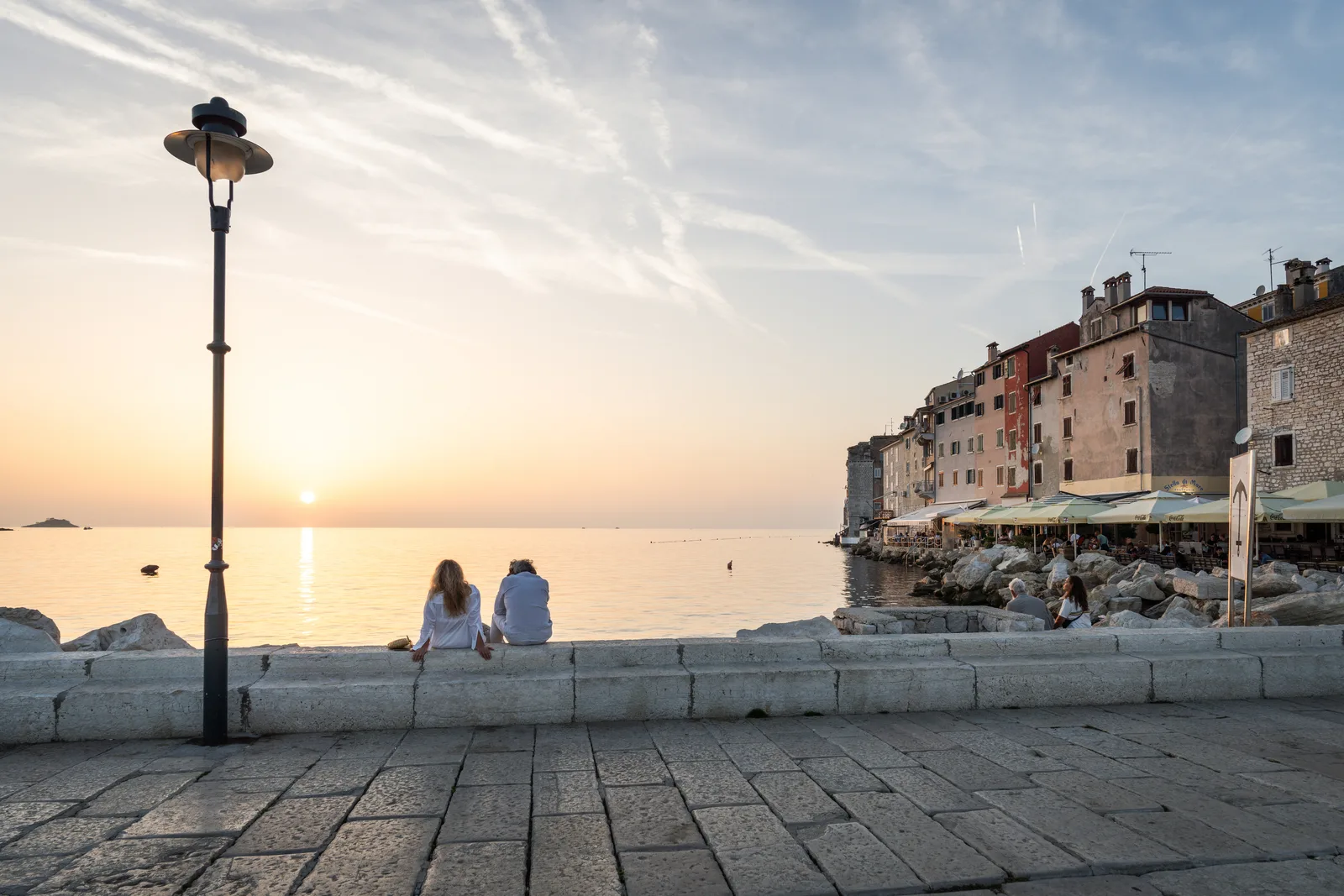
- Molo Grande — il molo principale. Panchine, Adriatico davanti, il posto più conosciuto.
- Valdibora — il porticciolo a nord, più tranquillo, con le barche da pesca in controluce.
- Un qualsiasi bar sul lungomare ovest — ordina un bicchiere di Malvasia e aspetta.
Fare una gita in giornata
Rovigno è una base perfetta per girare il resto dell'Istria — paesi arroccati sulle colline, zone del tartufo, rovine romane e parchi nazionali, tutto a meno di un'ora. Nella nostra guida alle gite in giornata da Rovigno trovi Pola, Montona, Grisignana, Parenzo, le isole Brioni e altro ancora.
Consigli pratici
- Quando andare: giugno e settembre sono i mesi migliori — acqua calda, vie meno affollate, serate lunghe. Luglio e agosto sono caldi e pieni di gente, ma hanno un'energia tutta loro.
- Come muoversi: il centro storico è solo pedonale. Le macchine si lasciano ai bordi; si attraversa la città a piedi in 15–20 minuti. Leggi Come muoversi a Rovigno.
- Soldi: in Croazia si usa l'euro. Quasi ovunque si paga con la carta; qualche konoba tradizionale accetta solo contanti.
- Lingua: il croato è la lingua ufficiale, l'italiano si parla dappertutto (Rovigno è ufficialmente bilingue), l'inglese si capisce ovunque nel turismo.
Se puoi, fermati tre giorni — uno per il centro storico e le calette vicine, uno per le isole o una gita in barca, uno per un'escursione nell'entroterra. È il ritmo giusto per vedere Rovigno al meglio.
Cerchi un appartamento a Rovigno?
Gli appartamenti privati sono la scelta più ampia a Rovigno — confronta zone, prezzi e cosa controllare prima di prenotare.
Scopri gli appartamenti a RovignoDa leggere: 3 giorni a Rovigno · Cosa mangiare a Rovigno