Practical Info

Discover Rovinj

Planning a trip to Rovinj? Here's the practical stuff — how to get here, how to get around, and everything else you need to know before you arrive.

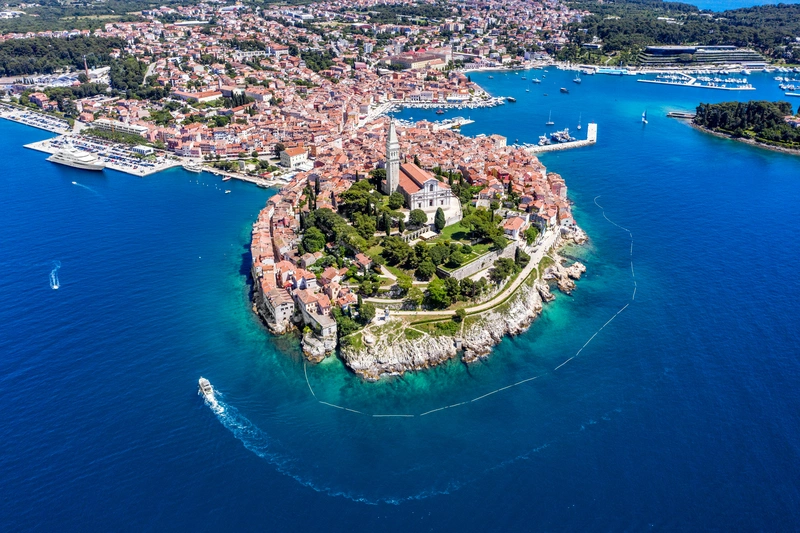
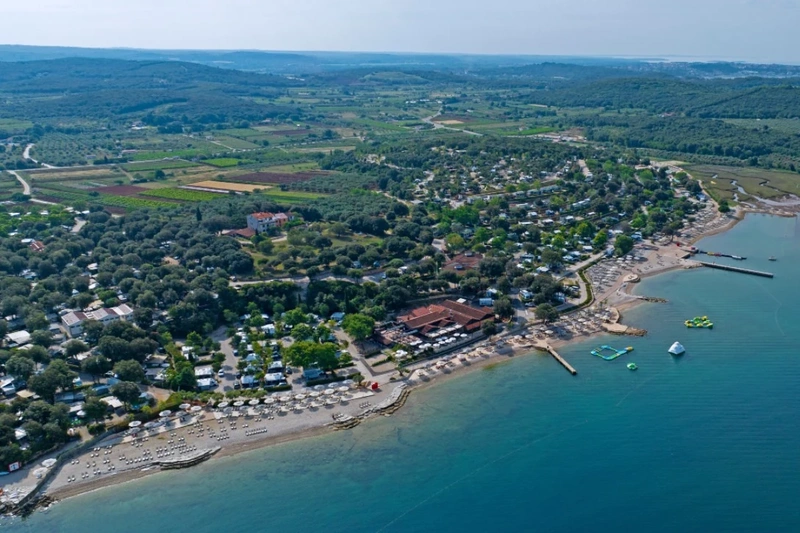
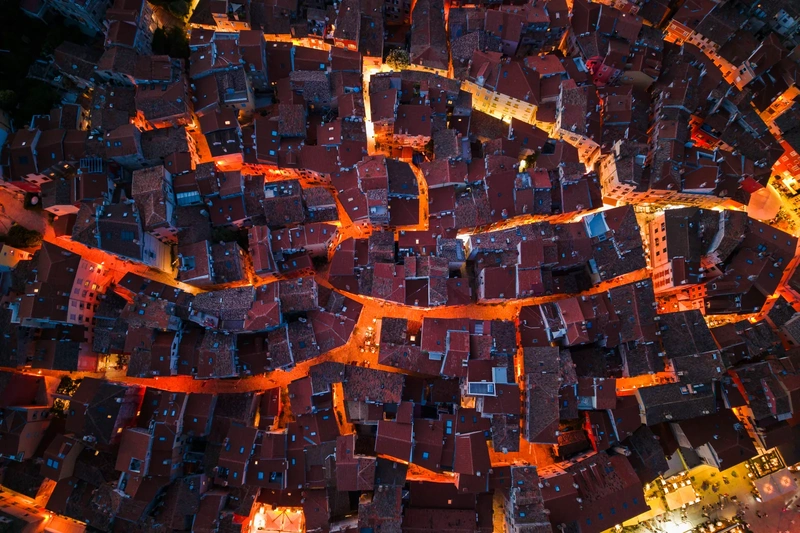
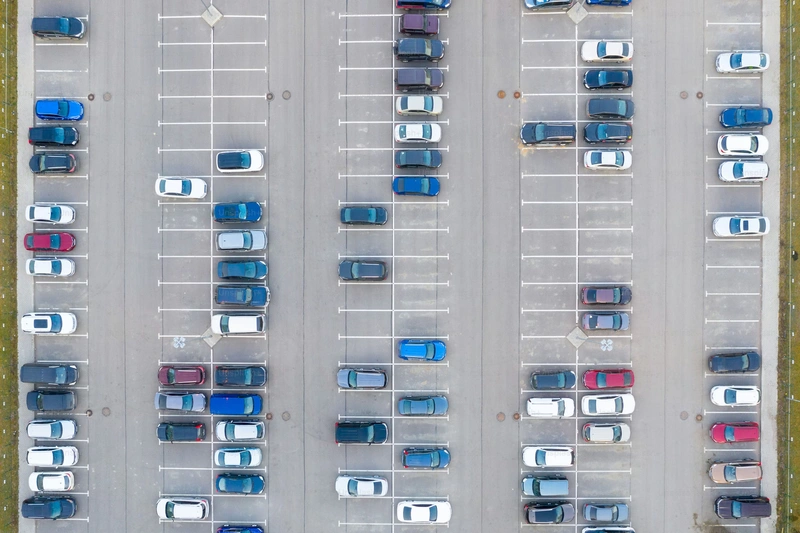
Rovinj is a small town by anyone's standards — roughly 14,000 people, covering maybe a square kilometre of old town plus the residential and coastal areas that spread south and north. Almost everything useful is walkable once you arrive. The old town is car-free year-round (residents with permits excepted); regular cars park in the public garages at Valdibora or Porton Biondi and walk in. Most hotels outside the old town either have parking or a short shuttle into the centre.

The essentials worth reading before you go: how to get to Rovinj covers the airports (Pula, Trieste, Venice, Zagreb), the coast-road drive and the ferry options; getting around Rovinj explains the walking distances, the seasonal shuttle, and the taxi boats to the islands; parking has the current garage rates and which streets to avoid in summer; and best time to visit has month-by-month weather and crowd data. Dog owners: our dog-beach guide covers the handful of places where dogs can swim.
Rovinj travel — frequently asked questions

Cards are accepted almost everywhere — hotels, restaurants, supermarkets, most cafés, taxis. Keep €30–50 in cash for the small konobas in hill villages, the Saturday market at Valdibora, and the island taxi boats. ATMs are common in the old town and at the main square. Croatia joined the euro in January 2023, so there's no currency exchange to think about if you're coming from another eurozone country.
Yes, almost entirely. The old town is car-free and takes about 15 minutes to cross on foot. The Zlatni rt forest park and Mulini beach area are 10–15 minutes' walk south of the old town along the coastal promenade. Amarin and Porton Biondi are 20–25 minutes north. Only the outer campsites (Polari, Veštar, Valalta) sit far enough out that you'll want transport — bike, shuttle or car.
Croatian and Italian are both official languages of the city — you'll see bilingual street signs and menus everywhere. In practice, most people working in tourism speak fluent English as well, and German is widely understood thanks to the long-standing German-speaking visitor market. Italian is genuinely spoken on the street by much of the older population, not just as a formality.
Peak is mid-July through mid-August — old-town restaurants need reservations, beaches fill up by mid-morning, and parking in the centre is a problem. June and September are the sweet spot: sea at 22–24°C, half the crowds, 25–40% lower accommodation prices. May and early October are quieter still but the sea is cooler. Winter (November–March) is beautifully empty but most restaurants and some hotels close.
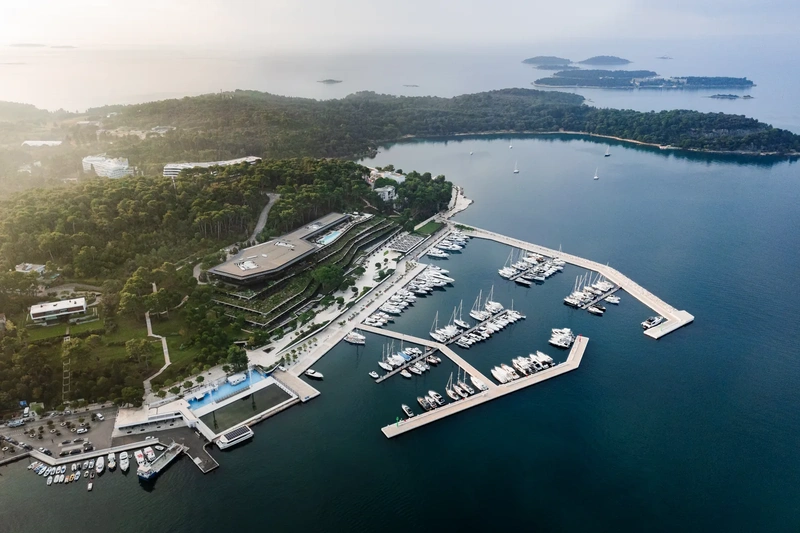
Roughly on par with Dubrovnik and Hvar at the top end, noticeably more than Split or Zadar. Hotel rates in peak season are the main driver — the five-star properties along the Monte Mulini waterfront run €400–700/night in August. Restaurant prices are fair by Western European standards: konoba meals around €25–35 per person with wine, mid-range waterfront restaurants €50–80, Michelin-starred tasting menus €150–250. Coffee, supermarket basics, taxis and public transport are markedly cheaper than in Italy, Germany or France.
Visit Rovinj Concierge
Ask me anything about Rovinj!
Hi! I'm your Visit Rovinj concierge. I can help you find beaches, restaurants, activities, and local services. What are you looking for?
AI-generated responses — may be inaccurate. Verify important details independently.