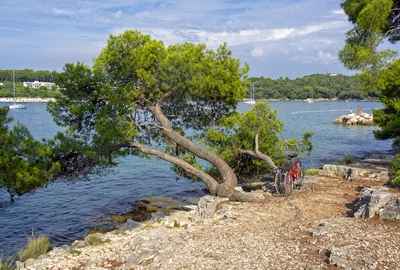
Rovinj's old town sits on a small peninsula that was once an island (it was connected to the mainland in 1763). The whole thing is walkable in about 20 minutes end to end, but you'll want to take longer. The charm is in getting lost in the narrow streets, stumbling onto tiny squares, and finding viewpoints you didn't know existed.
Start: The Harbor
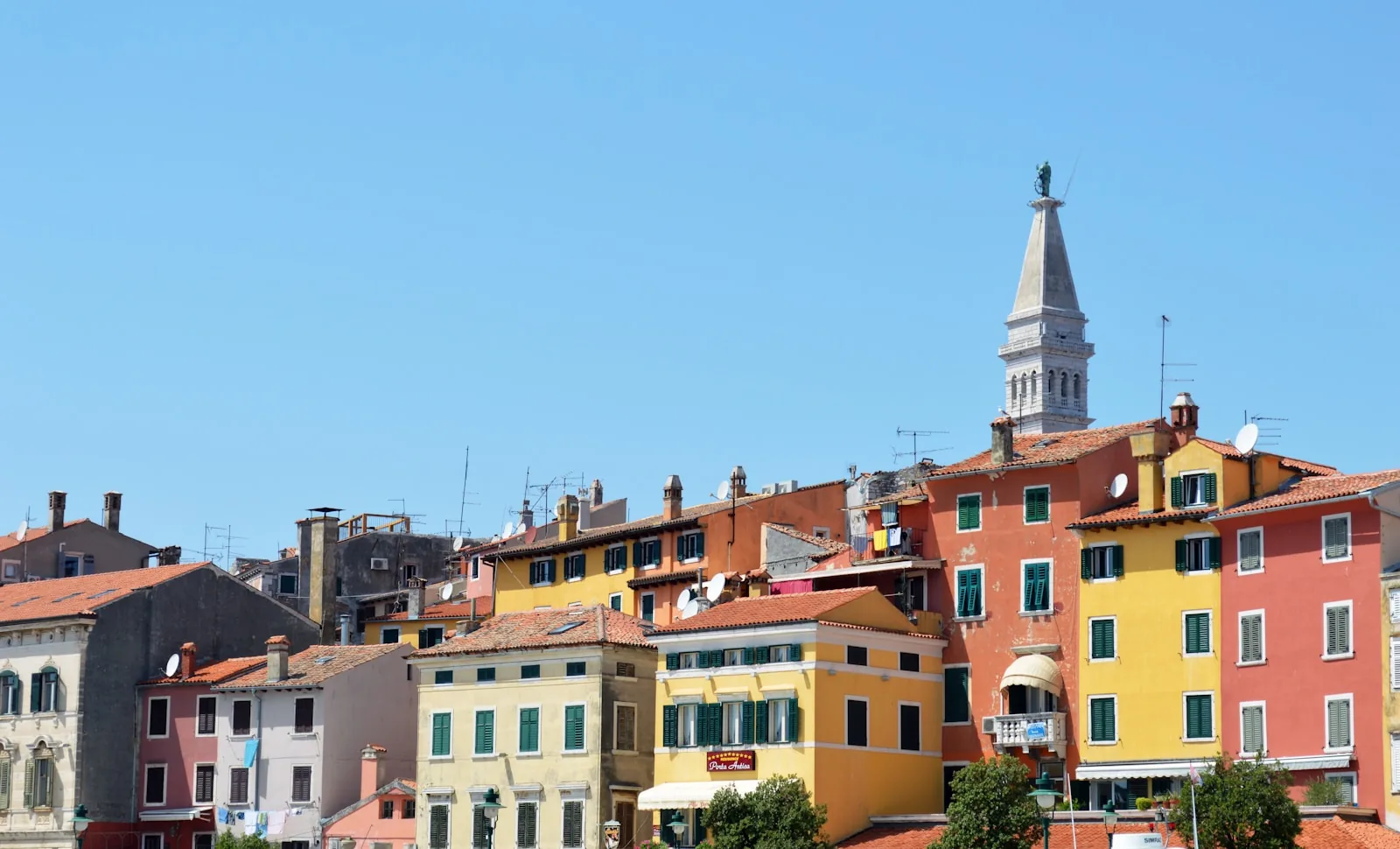
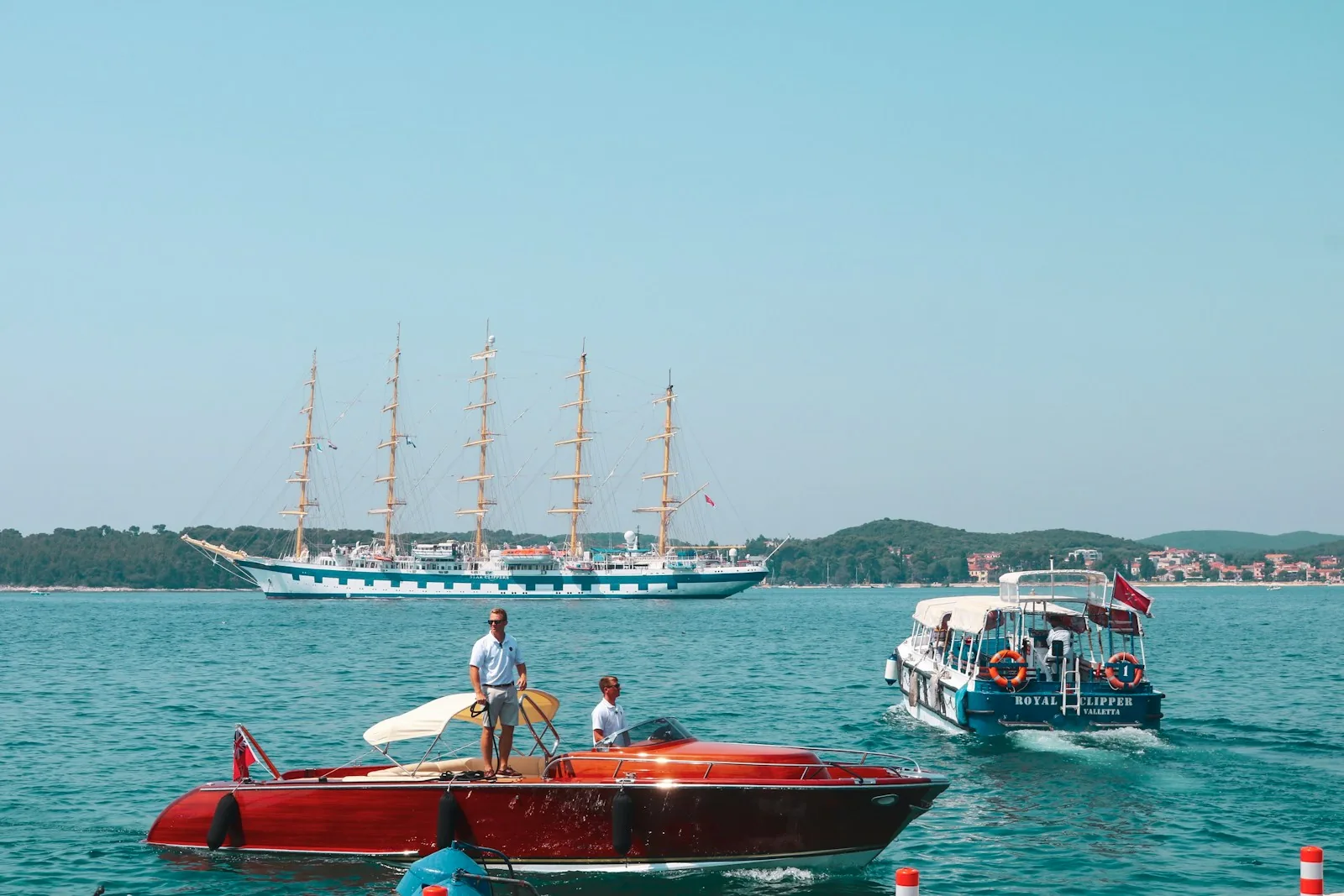
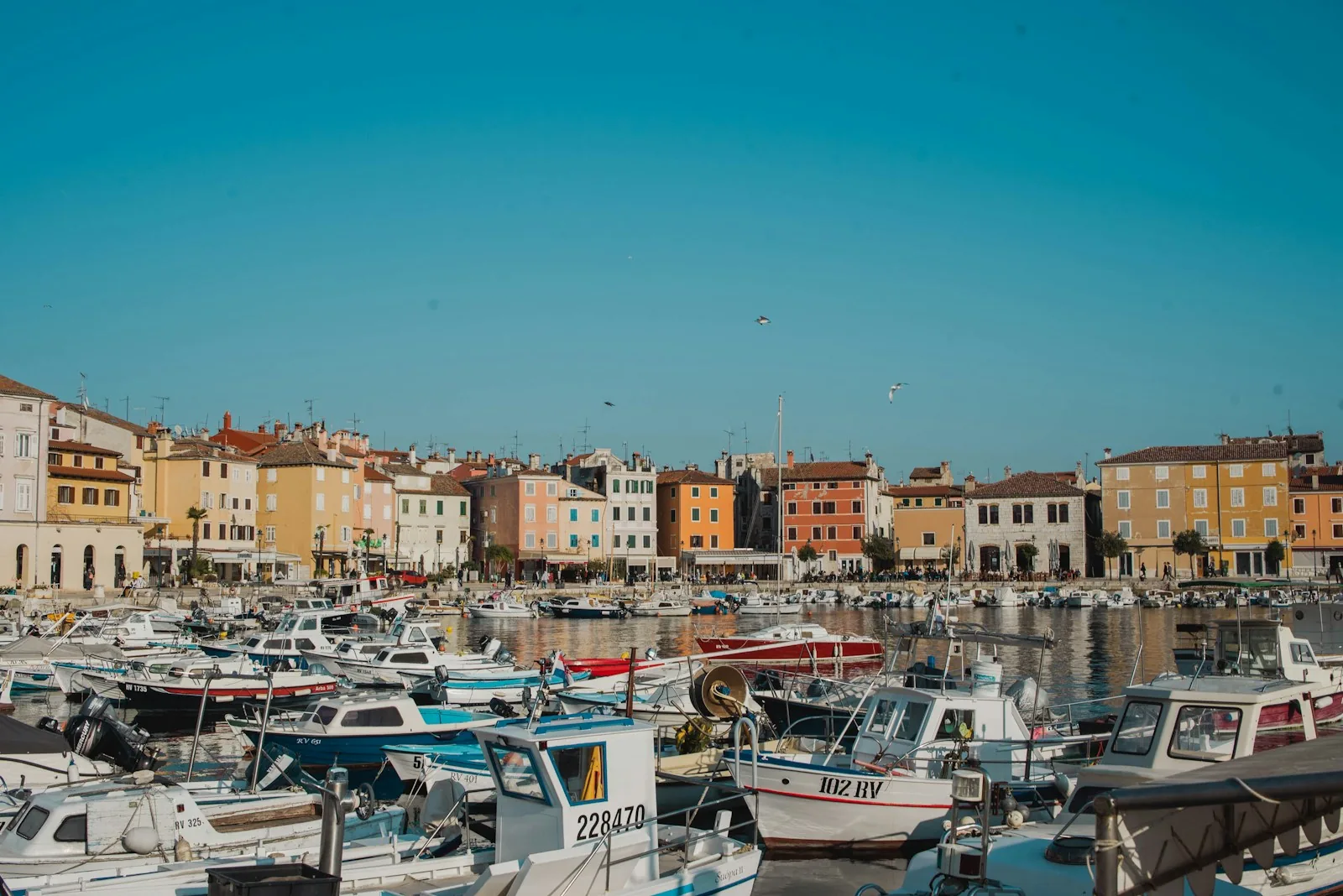
Begin at the main harbor promenade (Obala Pina Budicina). This is the postcard view — colorful houses lining the waterfront, fishing boats bobbing in the harbor, and the Church of St. Euphemia towering above it all. The morning market is on the square just behind the waterfront — go early for the best local produce, cheese, and olive oil.
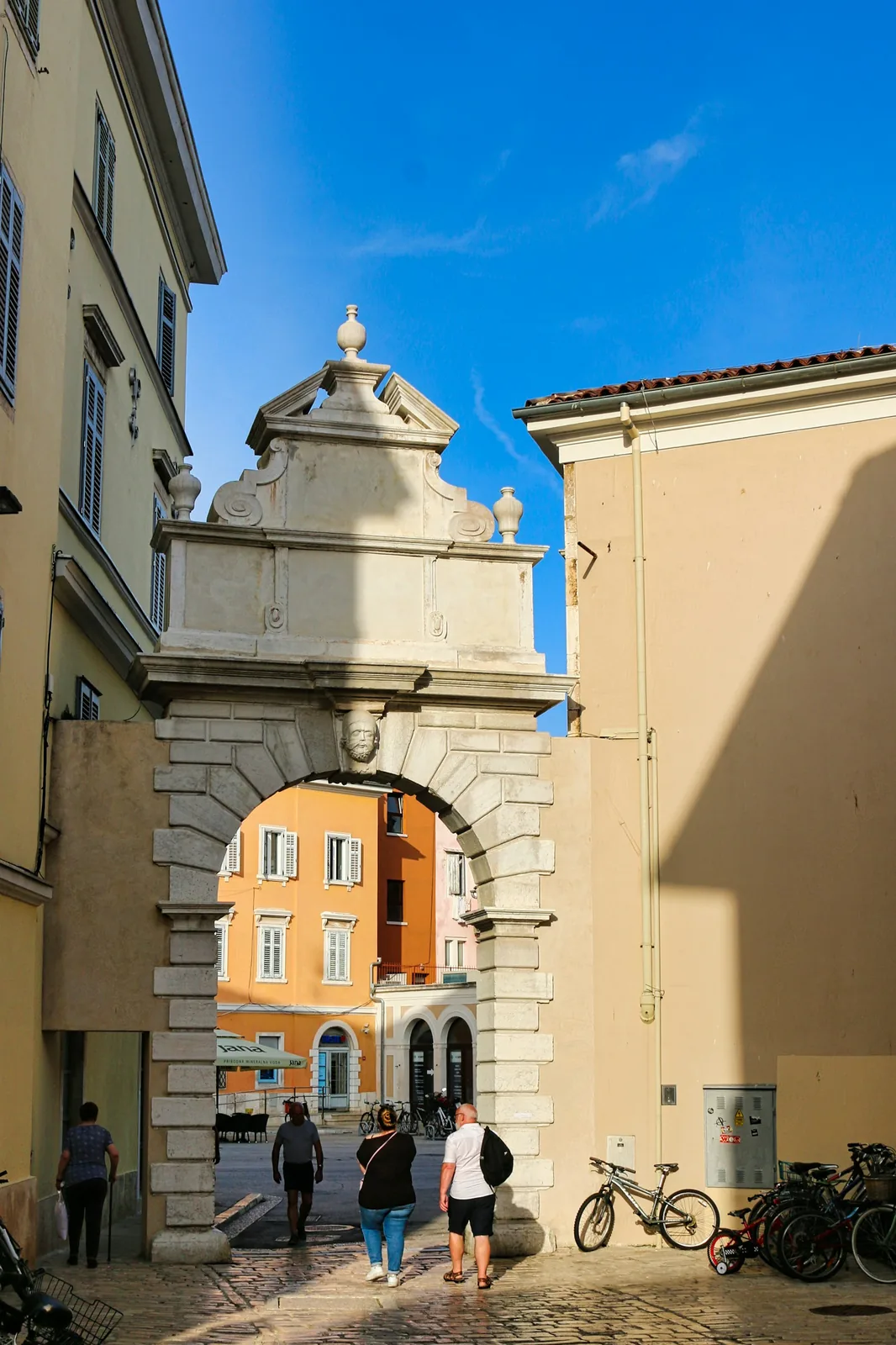
Balbi Arch
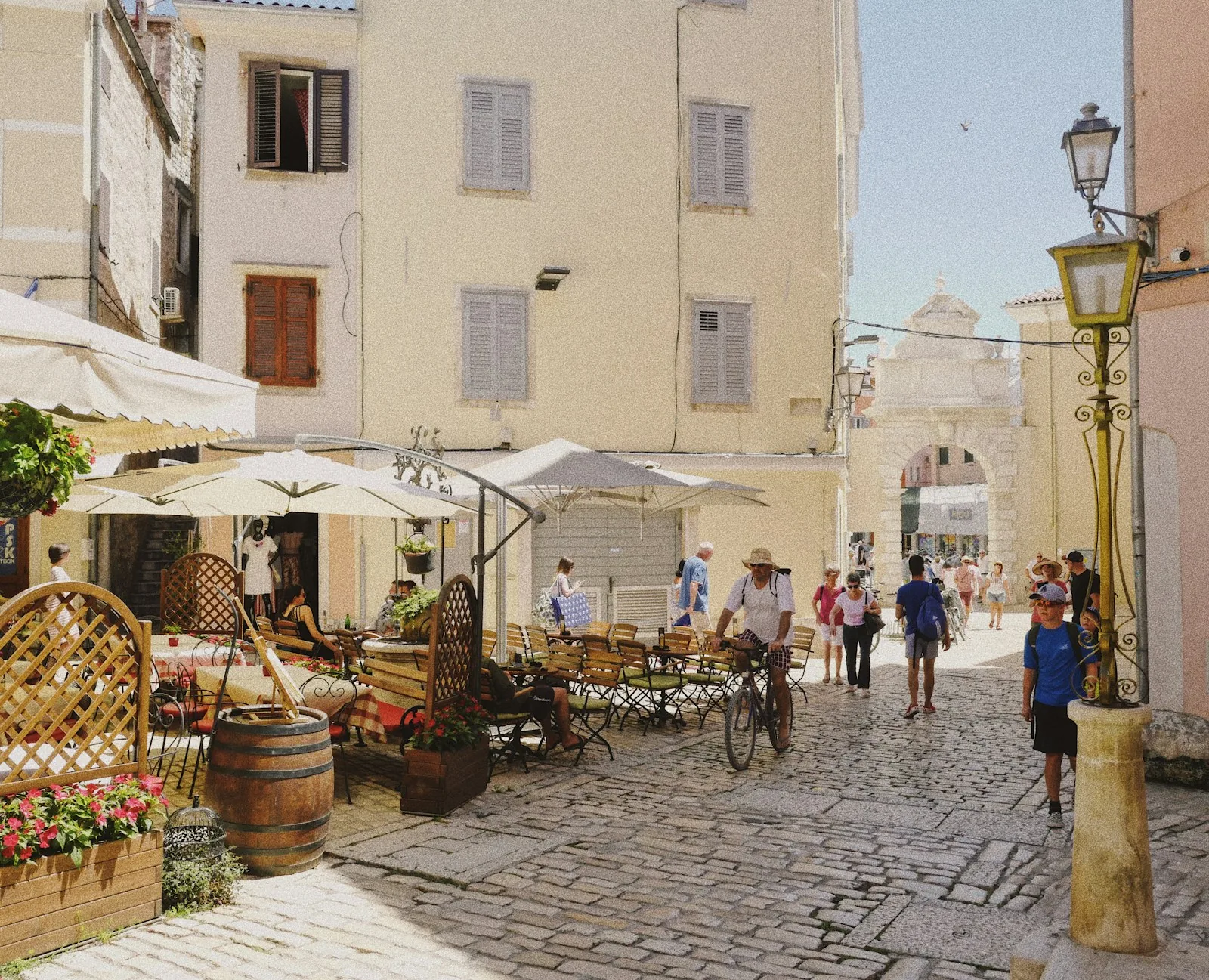
The main gate into the old town. Built in 1680 on the site of the former town gate, it has a Venetian lion on top (look up) and a Turkish head on the inner side — a common Venetian symbol of triumph. Walk through and you're in the old town proper.
Grisia Street
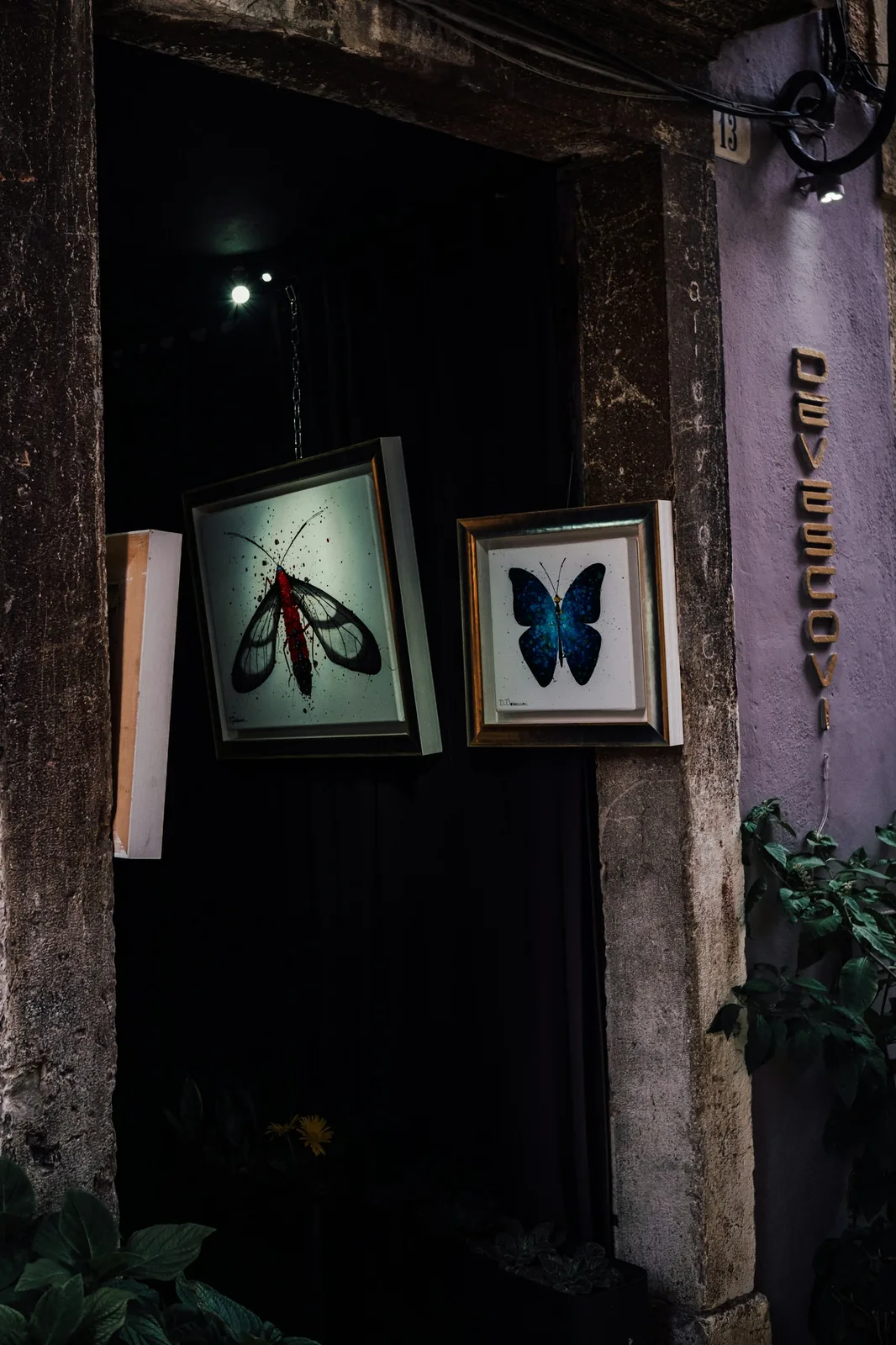
The main street climbing up to the church. In August, it transforms into an open-air art gallery during the Grisia Art Festival — one of Rovinj's oldest traditions. Year-round, it's lined with galleries and craft shops. It's steep — good calves workout.
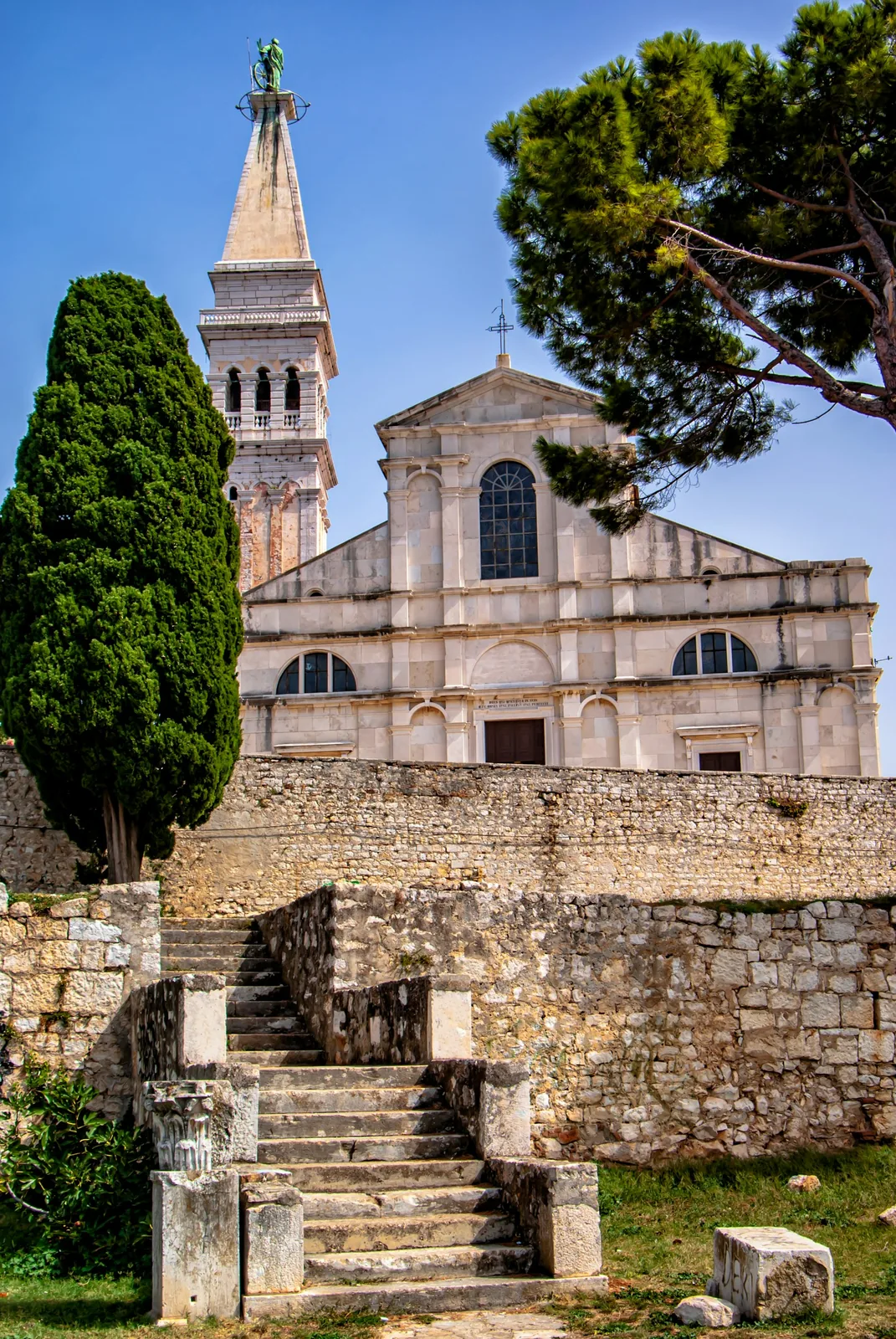
Church of St. Euphemia
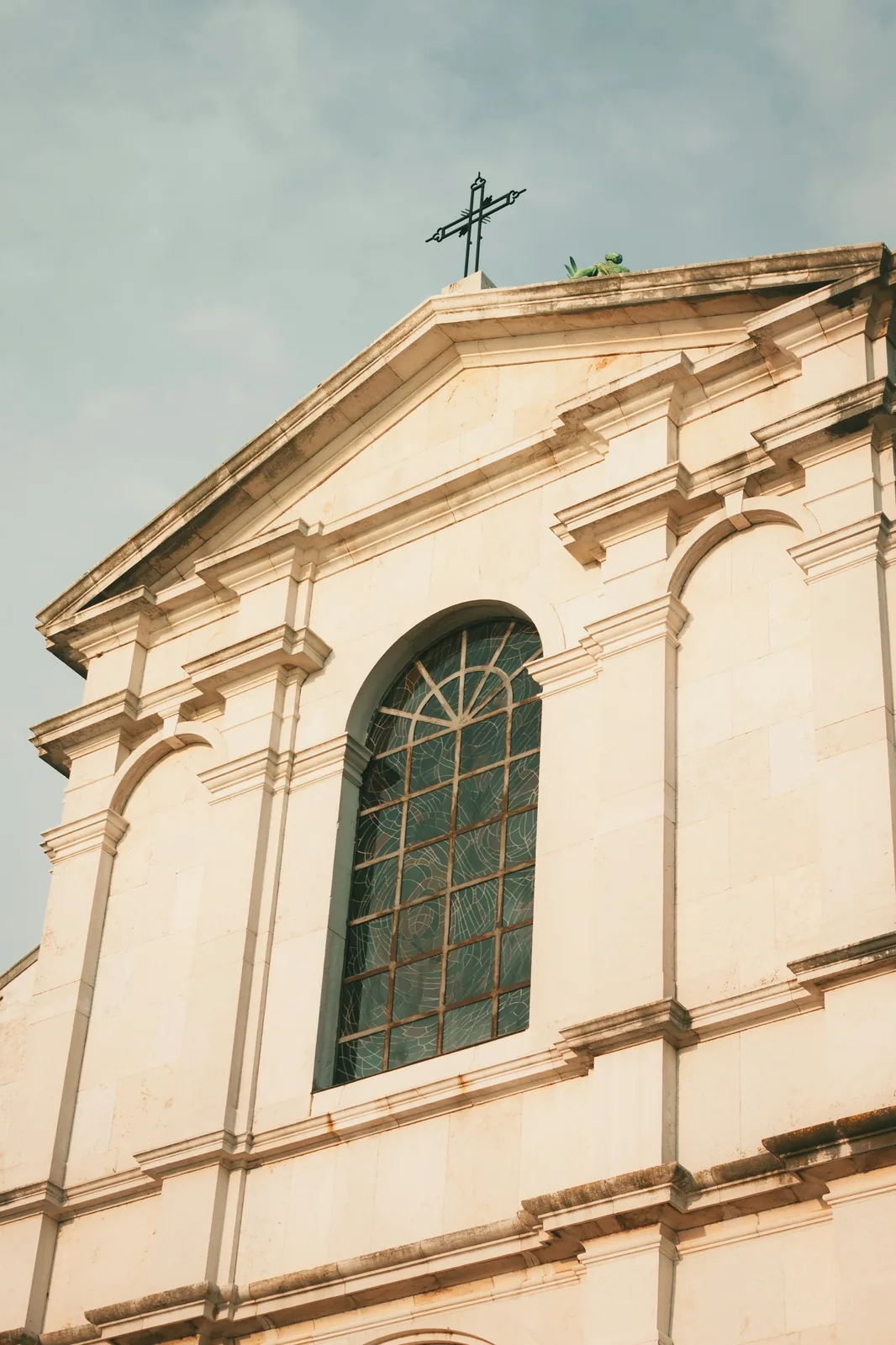
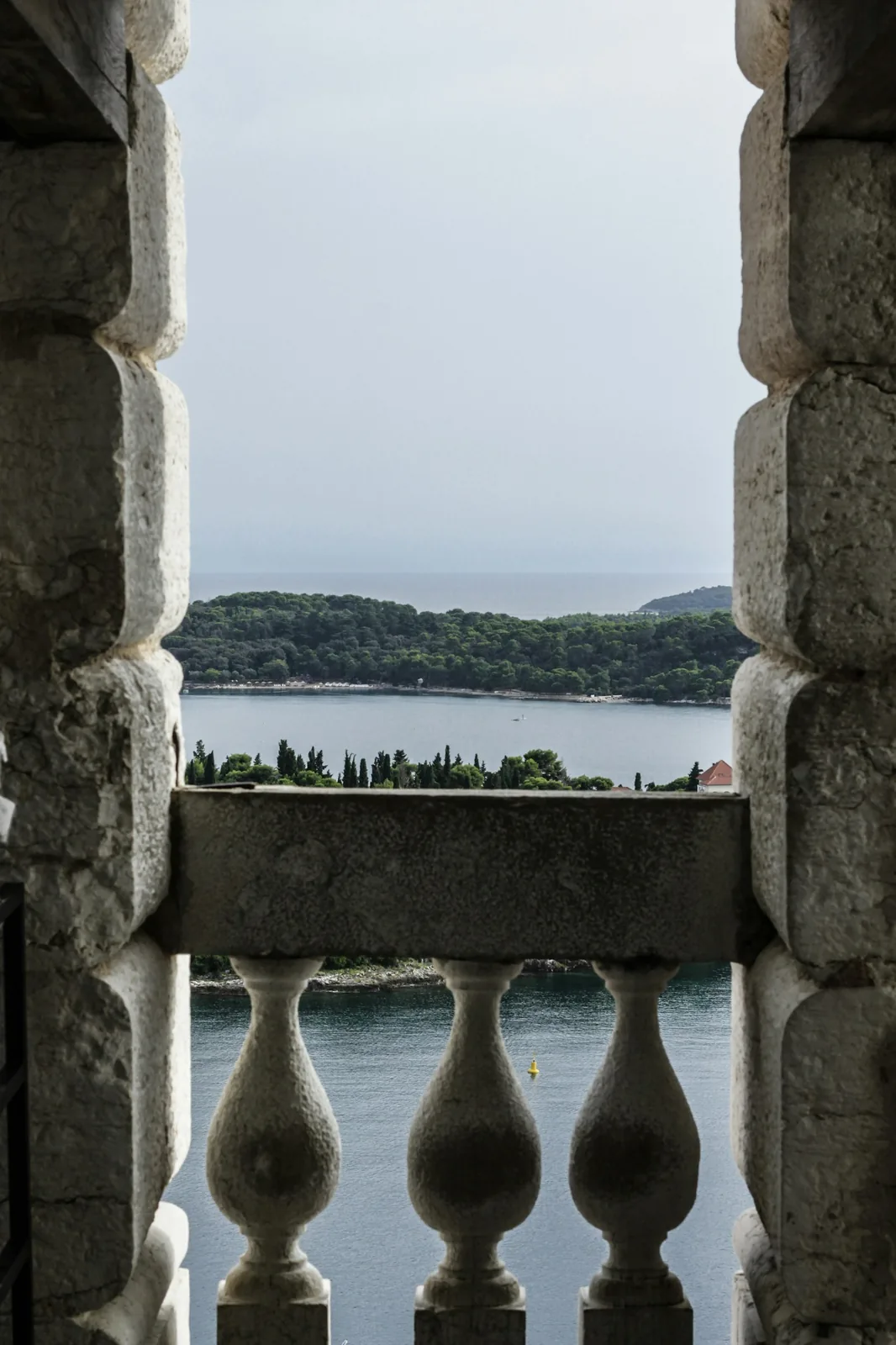
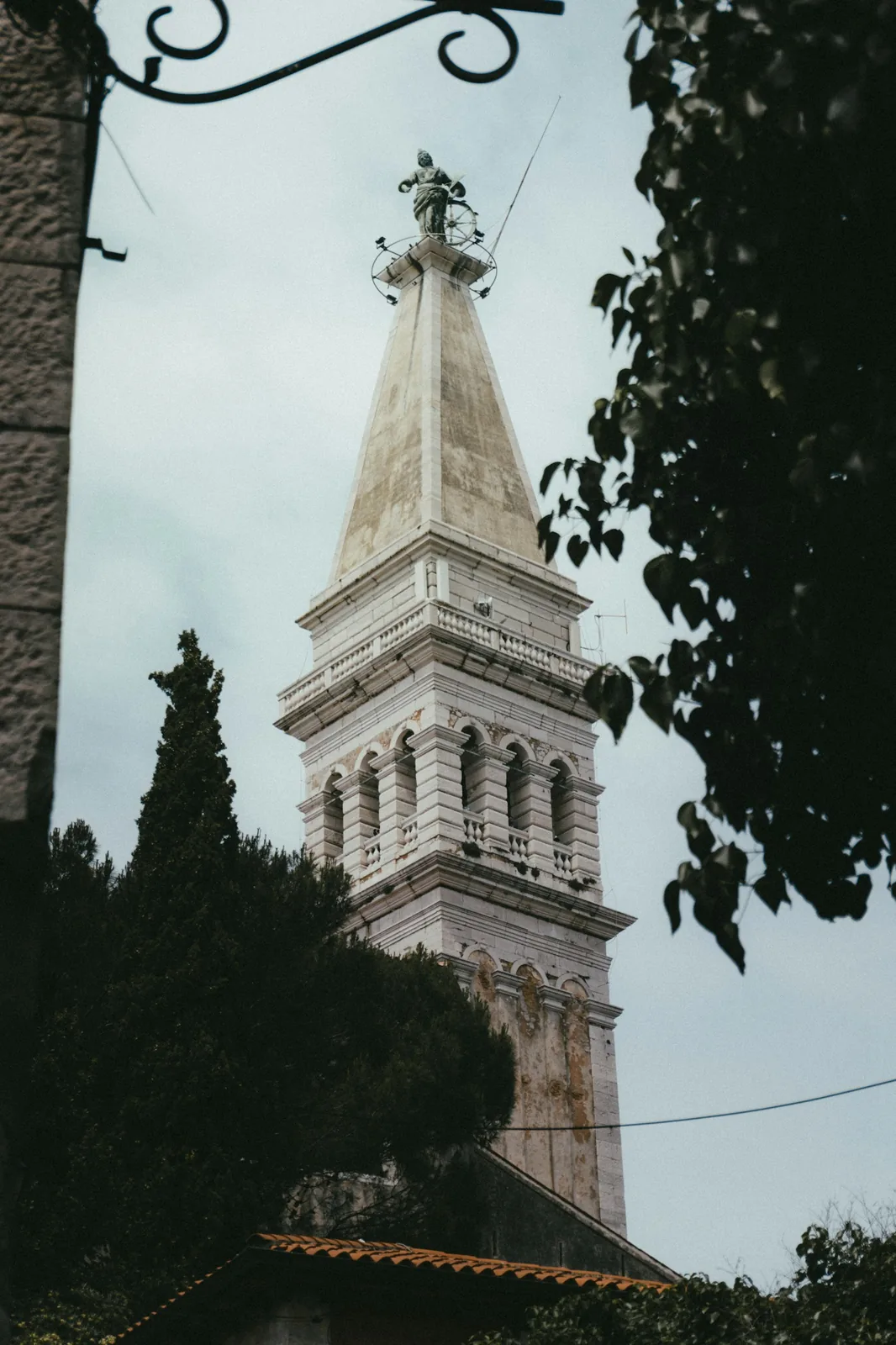
The landmark. The tallest building in Istria, with a 61-meter bell tower modeled after St. Mark's in Venice. Climb the tower (it's a bit of an adventure — the stairs are old and narrow) for the best panoramic view in Rovinj. On a clear day you can see the Italian coast. The church itself is Baroque, built in the 18th century, and houses the sarcophagus of St. Euphemia.
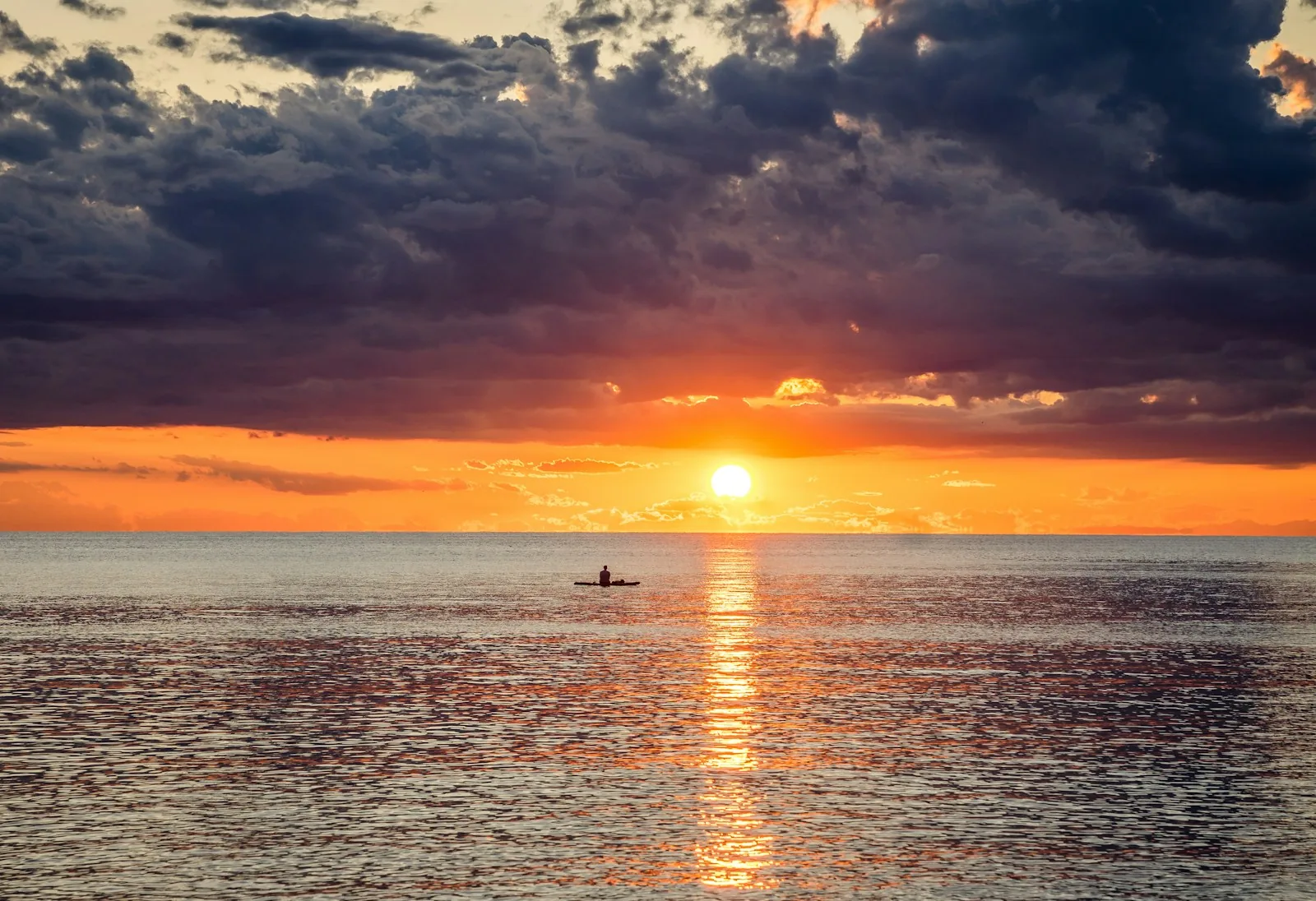
Tip: Come at sunset. The view from the churchyard over the archipelago is the best in town.
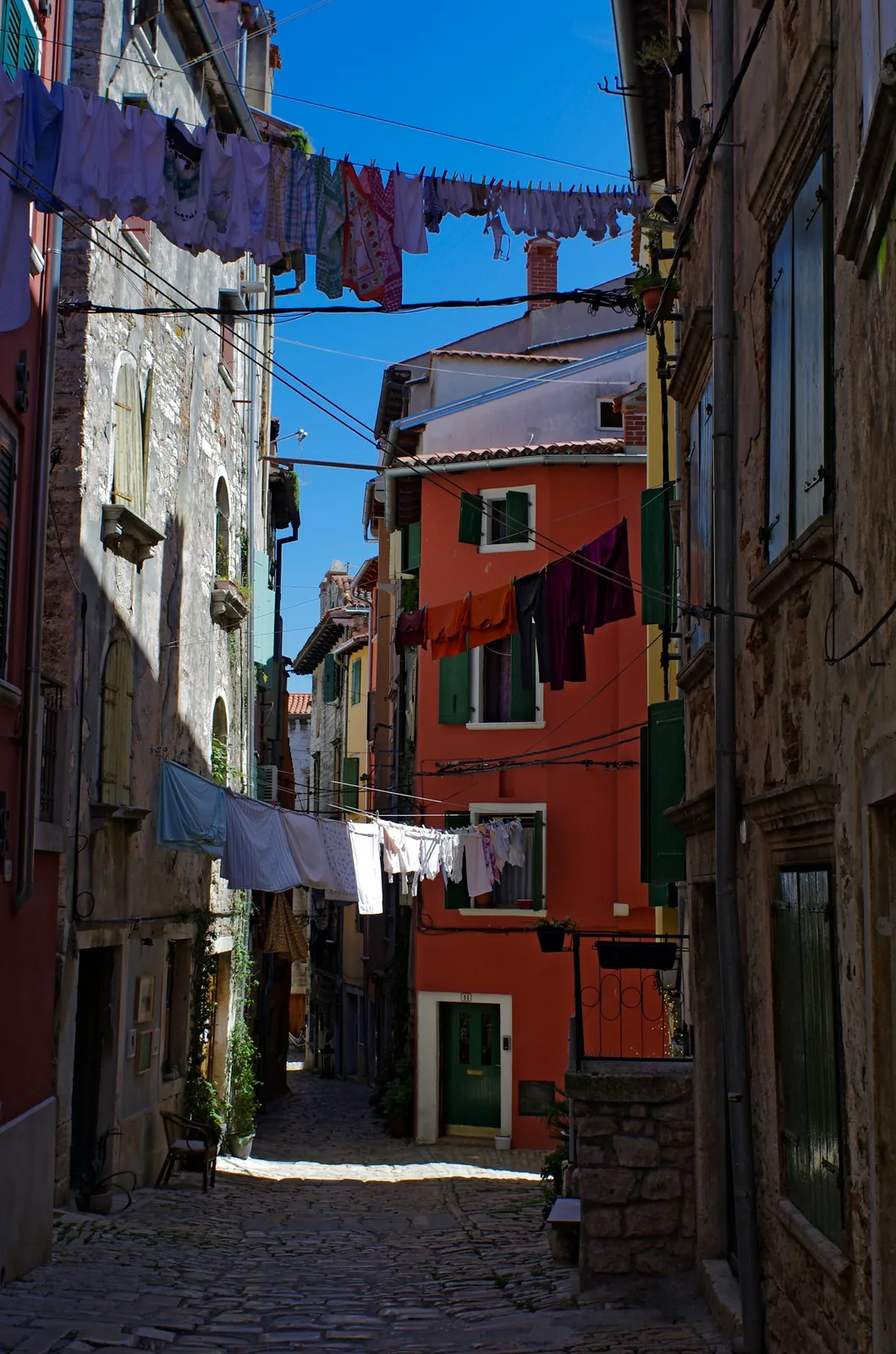
Behind the Church — The Quiet Side
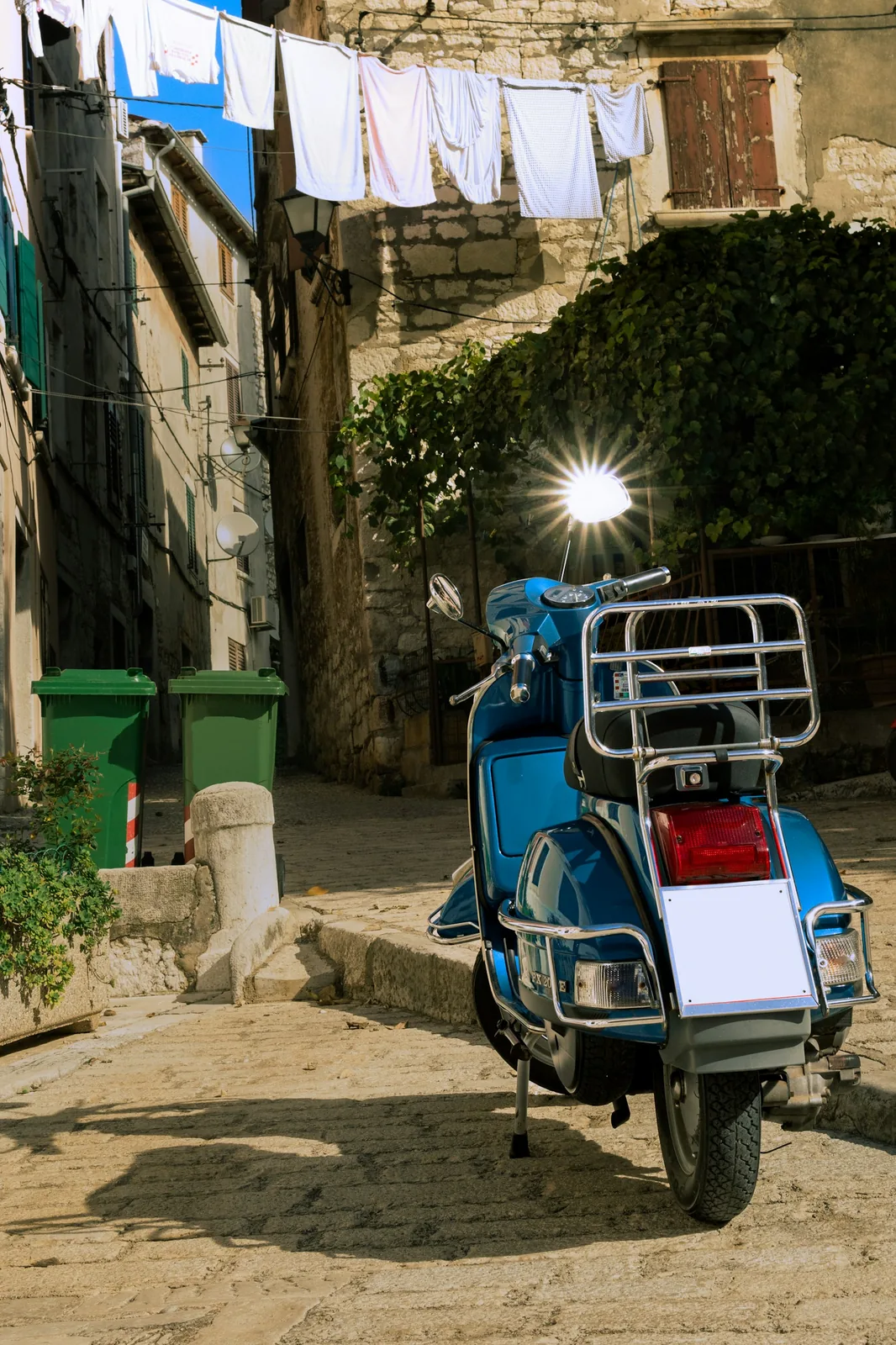
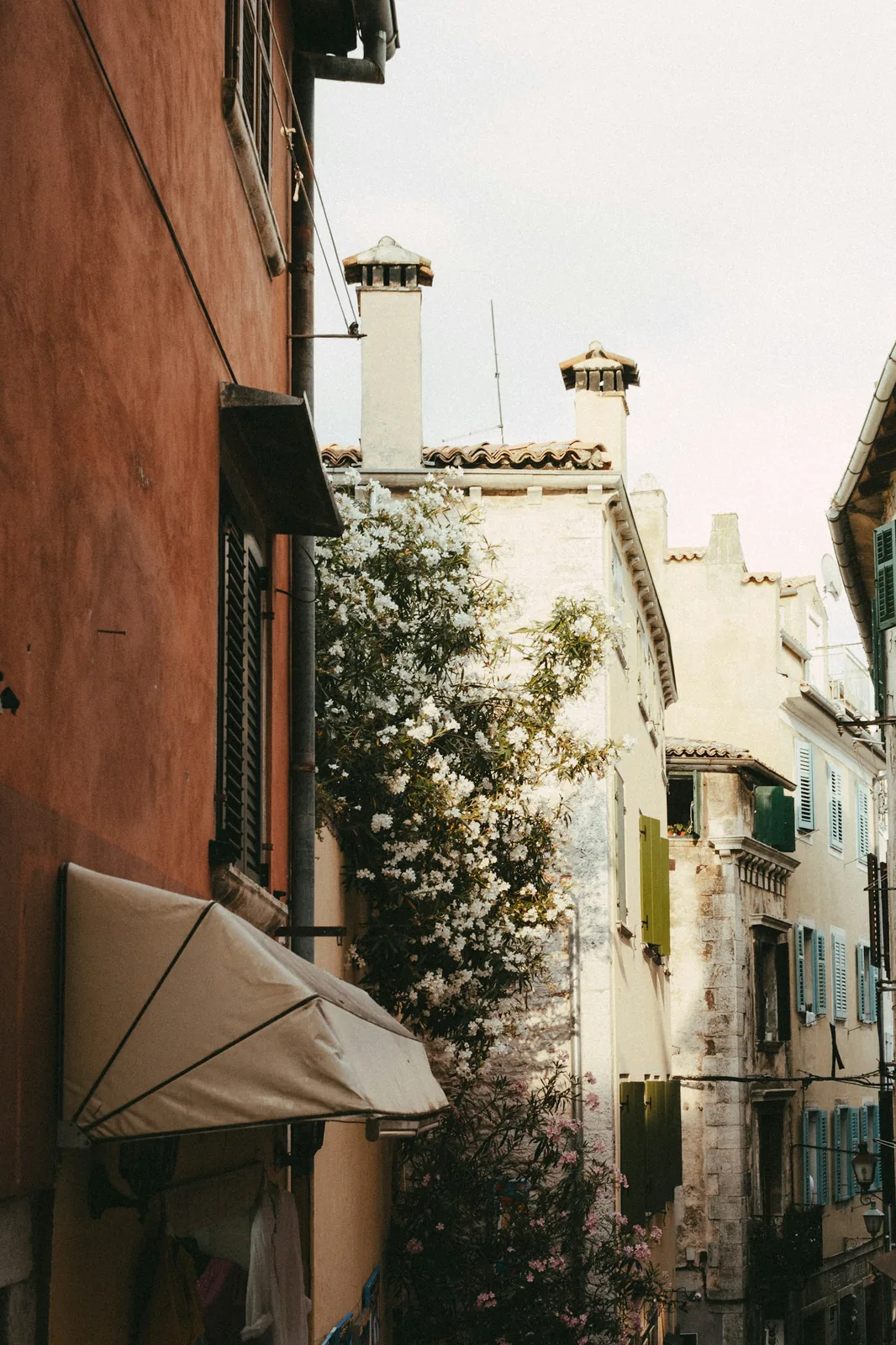
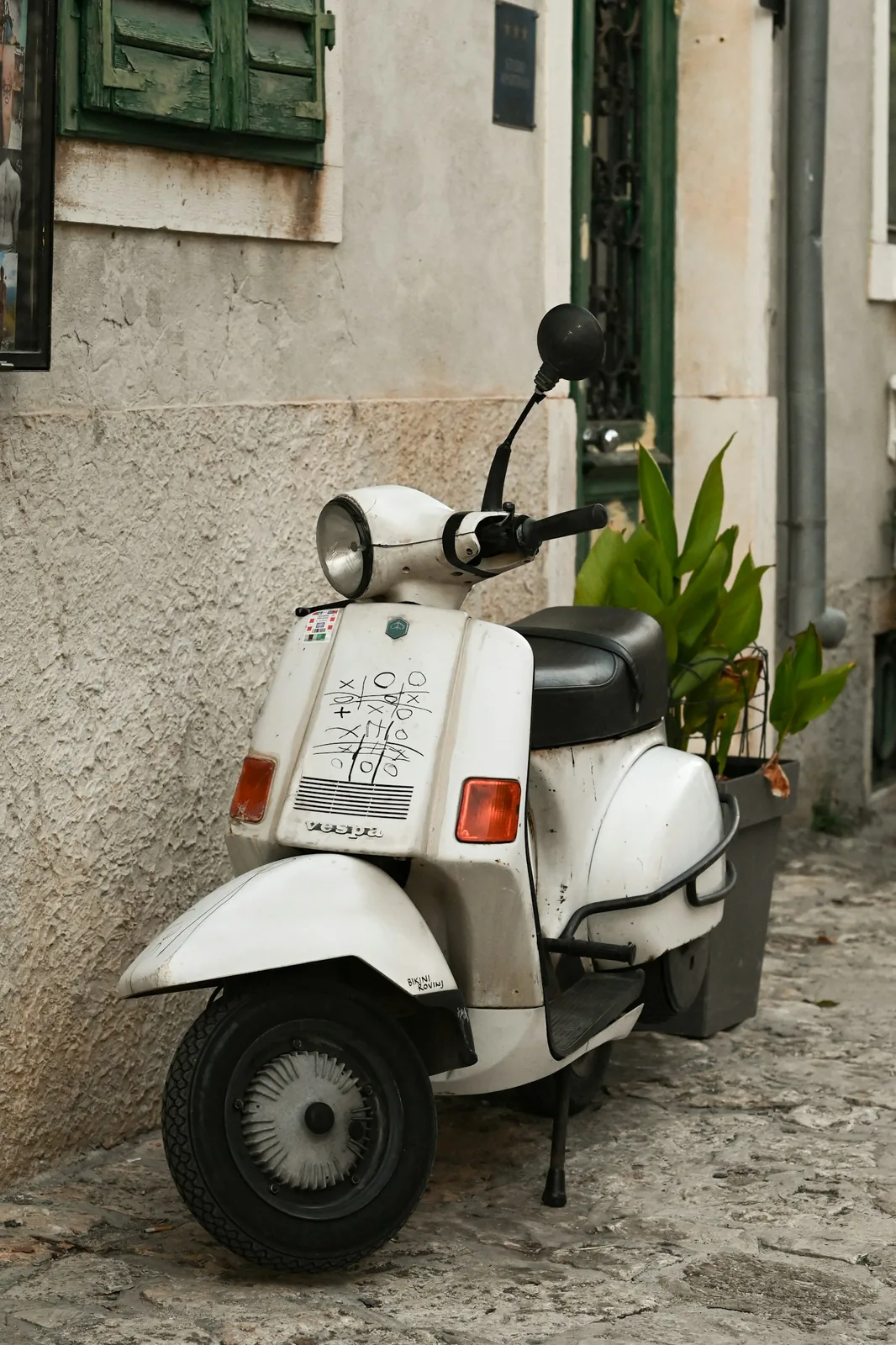
Most tourists stop at the church and head back down the way they came. Don't. Continue past the church onto the other side of the peninsula and wander. Take any alley, get lost on purpose — the streets are incredibly narrow, some barely shoulder-width, and every turn hides a picturesque corner, an interesting façade, or a detail you'd never see from the main lanes. Look for the tiny passages (called "portici") between the houses that frame the sea.
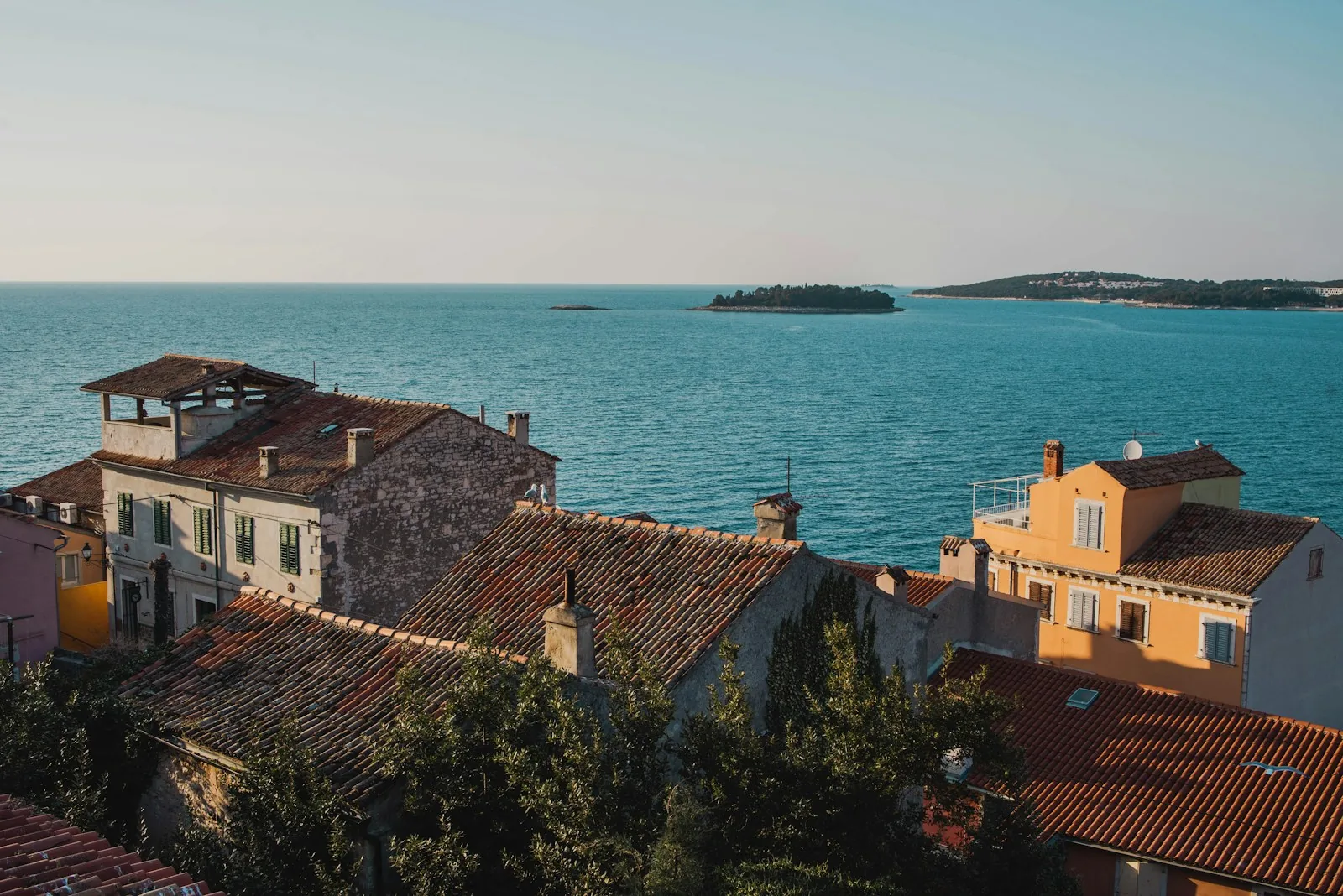
The Sea Wall Promenade
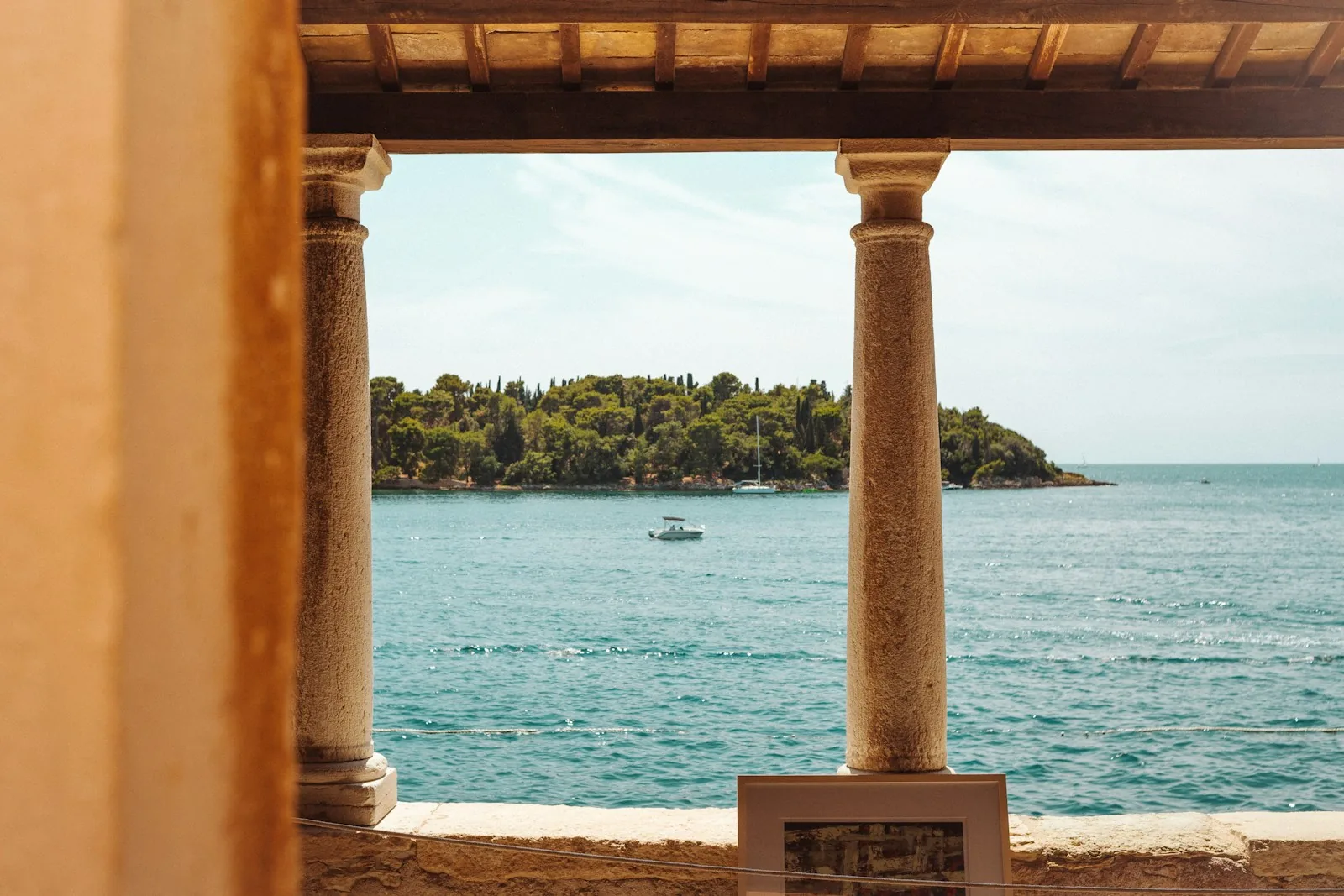
Walk along the water on the south side of the peninsula. Rocky spots where locals swim, tiny balconies hanging over the sea, and views across to St. Catherine's island. This path connects to the forest park heading south toward the beaches.
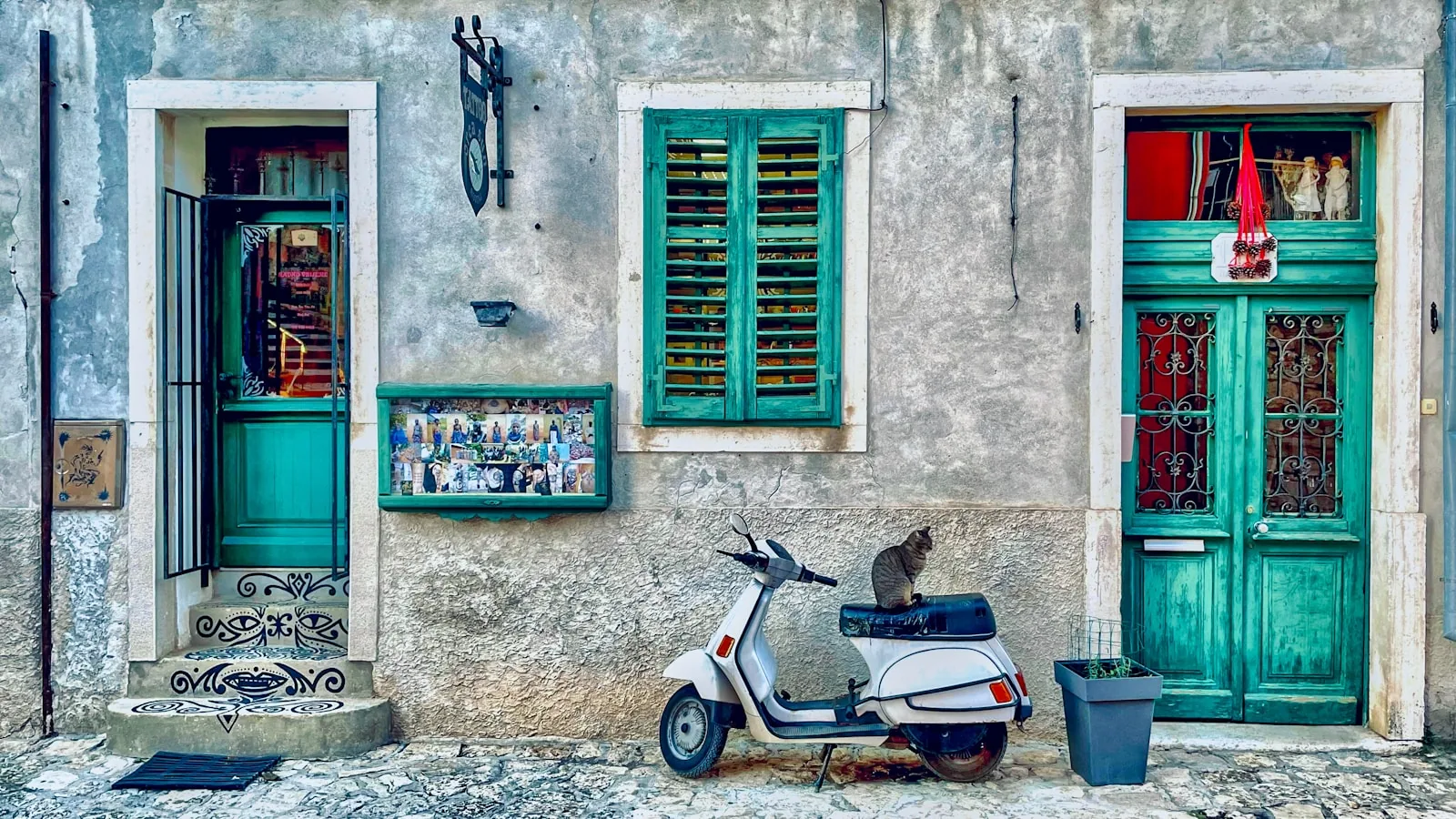
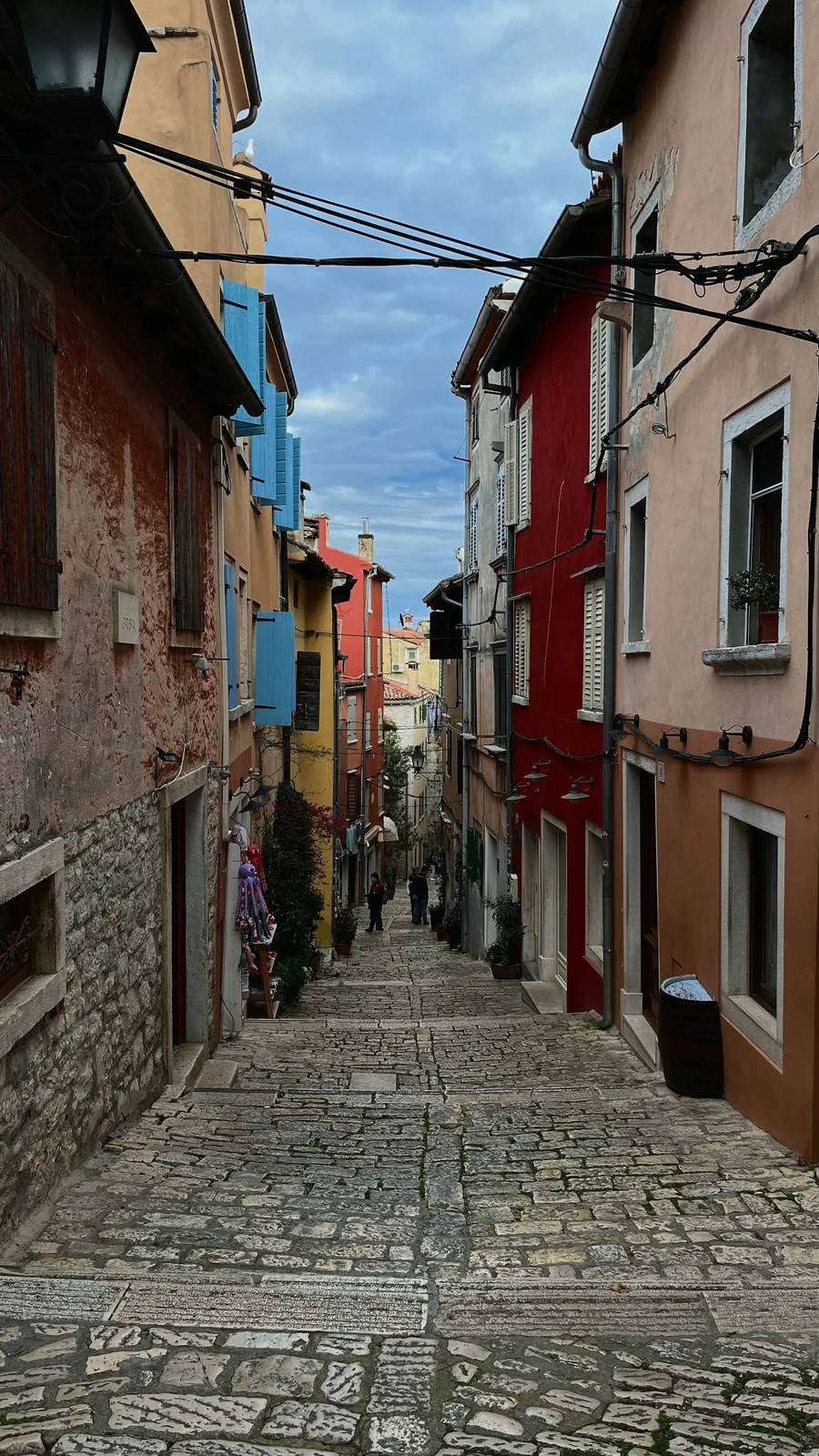
Vladimira Švalbe Street
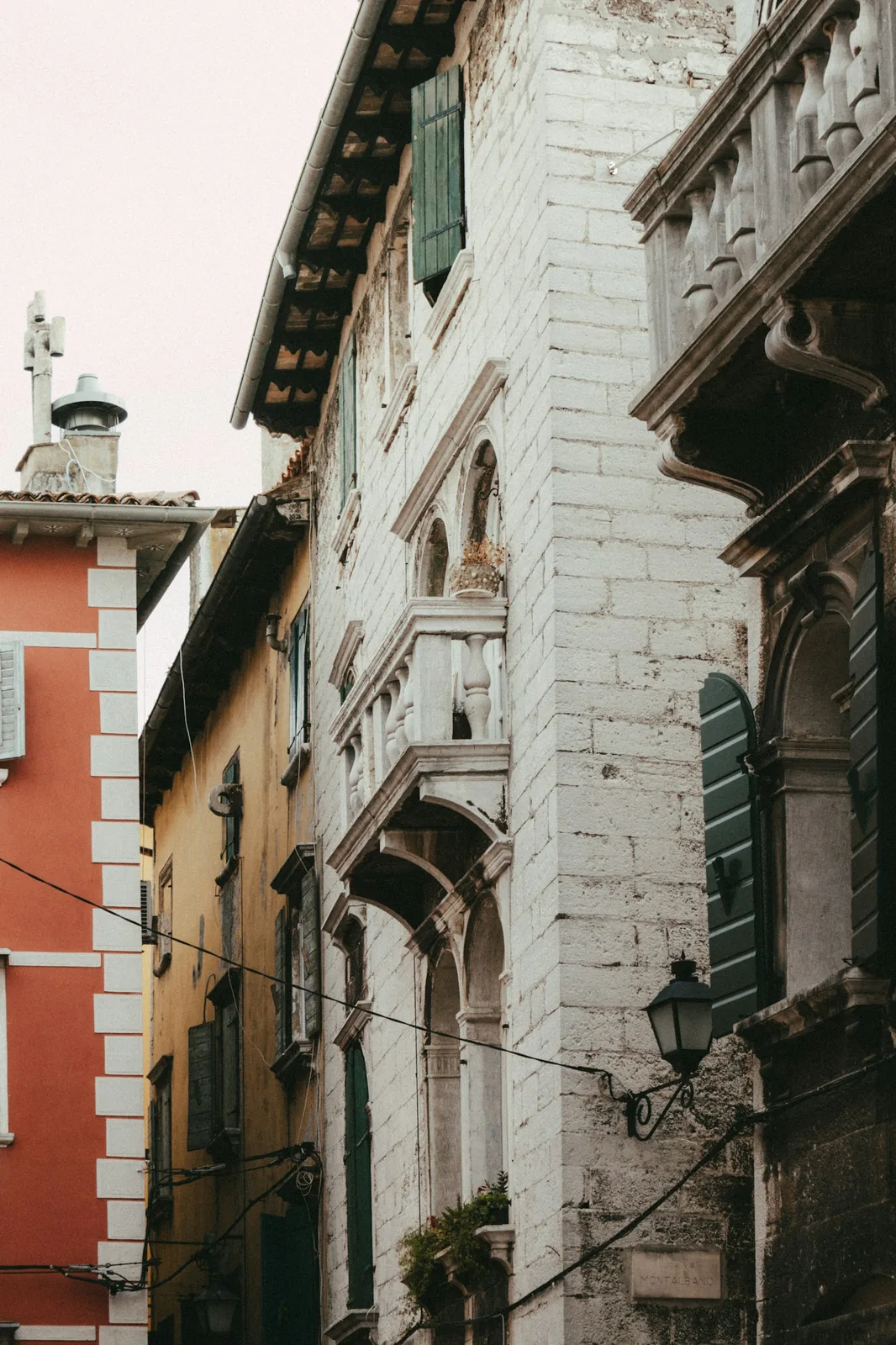
A steep lane climbing toward the church. It shows how this island-town was put together — houses pressed against each other, streets only as wide as they strictly had to be. Rovinj was an island until 1763, so space was at a premium: you built upward, not outward. Worth walking through for the scale of it, and because almost every step frames a different view.
The Batana Boat Museum
A small museum dedicated to the batana, Rovinj's traditional flat-bottomed fishing boat. It's a nice window into the town's fishing heritage. The museum also organizes evening "batana events" with live folk music and traditional food on the waterfront.
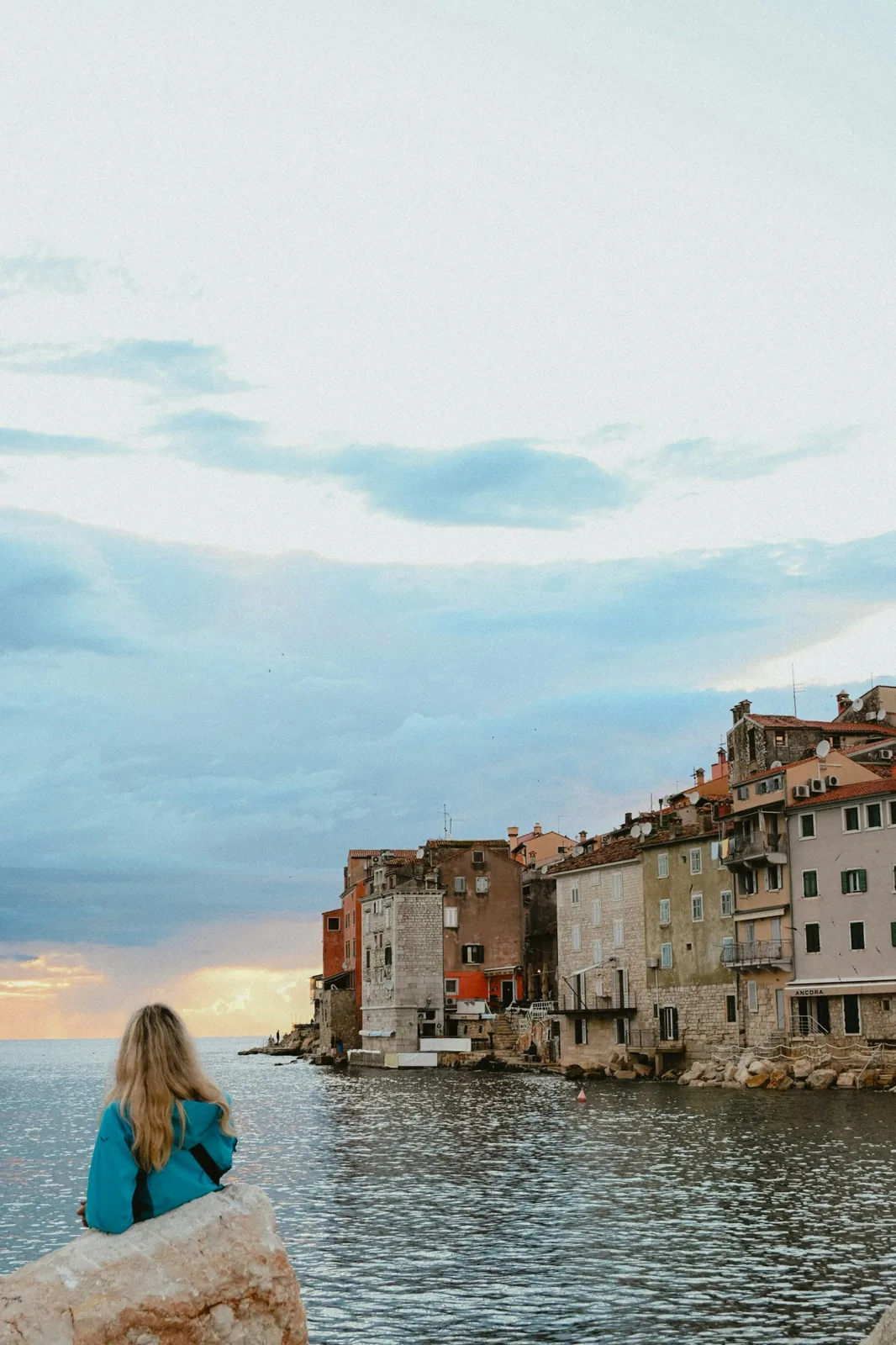
The View from Park Škaraba
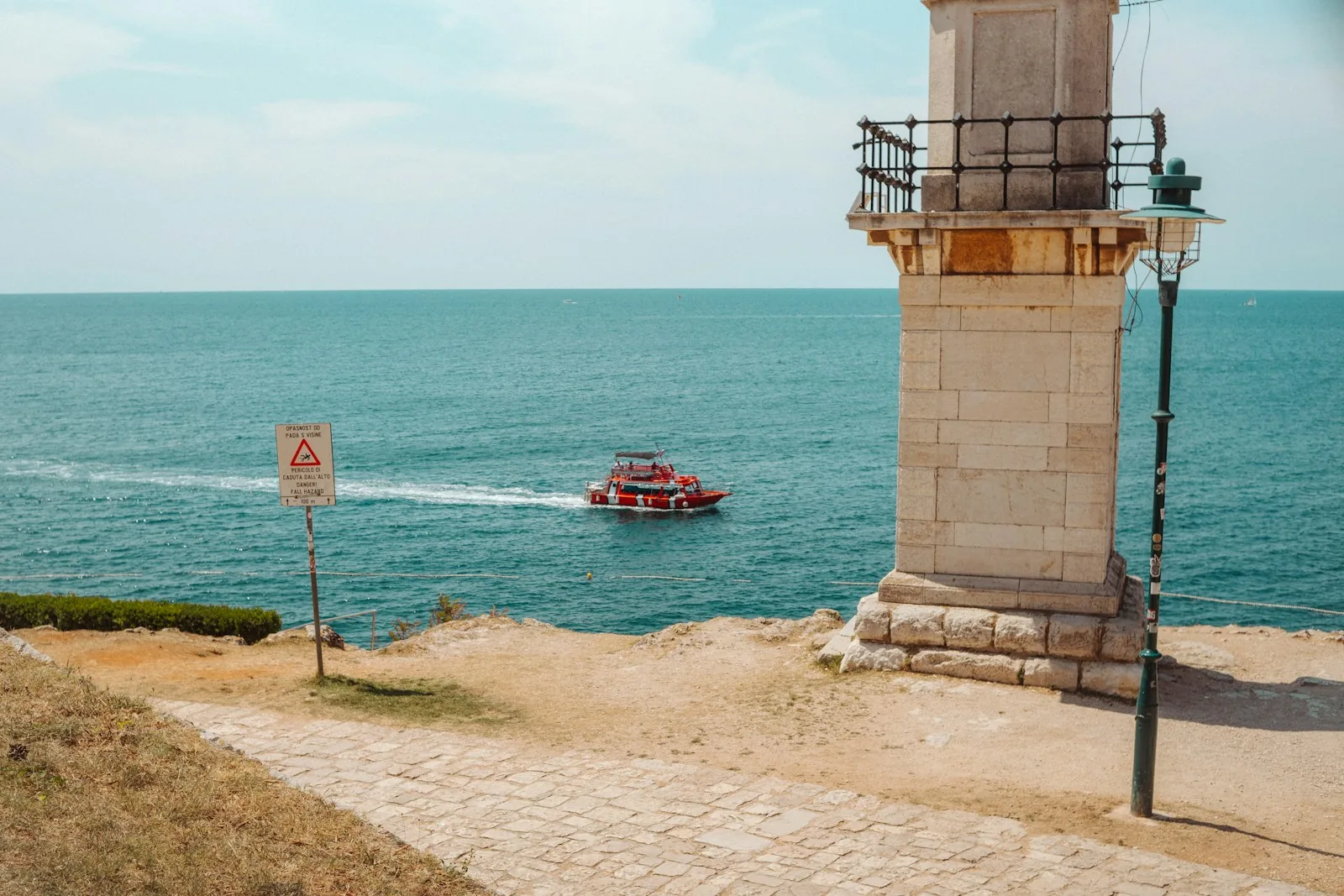
South of the old town, just past the marina. A small park area on the rocks with the classic view back toward the old town skyline. This is where locals come for evening swims and watching the sun go down behind the old town. Bring a beer.
Tips for Walking the Old Town
- Wear comfortable shoes. Cobblestones everywhere. Flip-flops and heels are a bad idea.
- Go early or late. The streets are magical in the morning before the crowds, and in the golden hour before sunset.
- Get lost on purpose. Put your phone away and just wander. Every turn reveals something — a tiny courtyard, a cat sleeping in a doorway, a view you didn't expect.
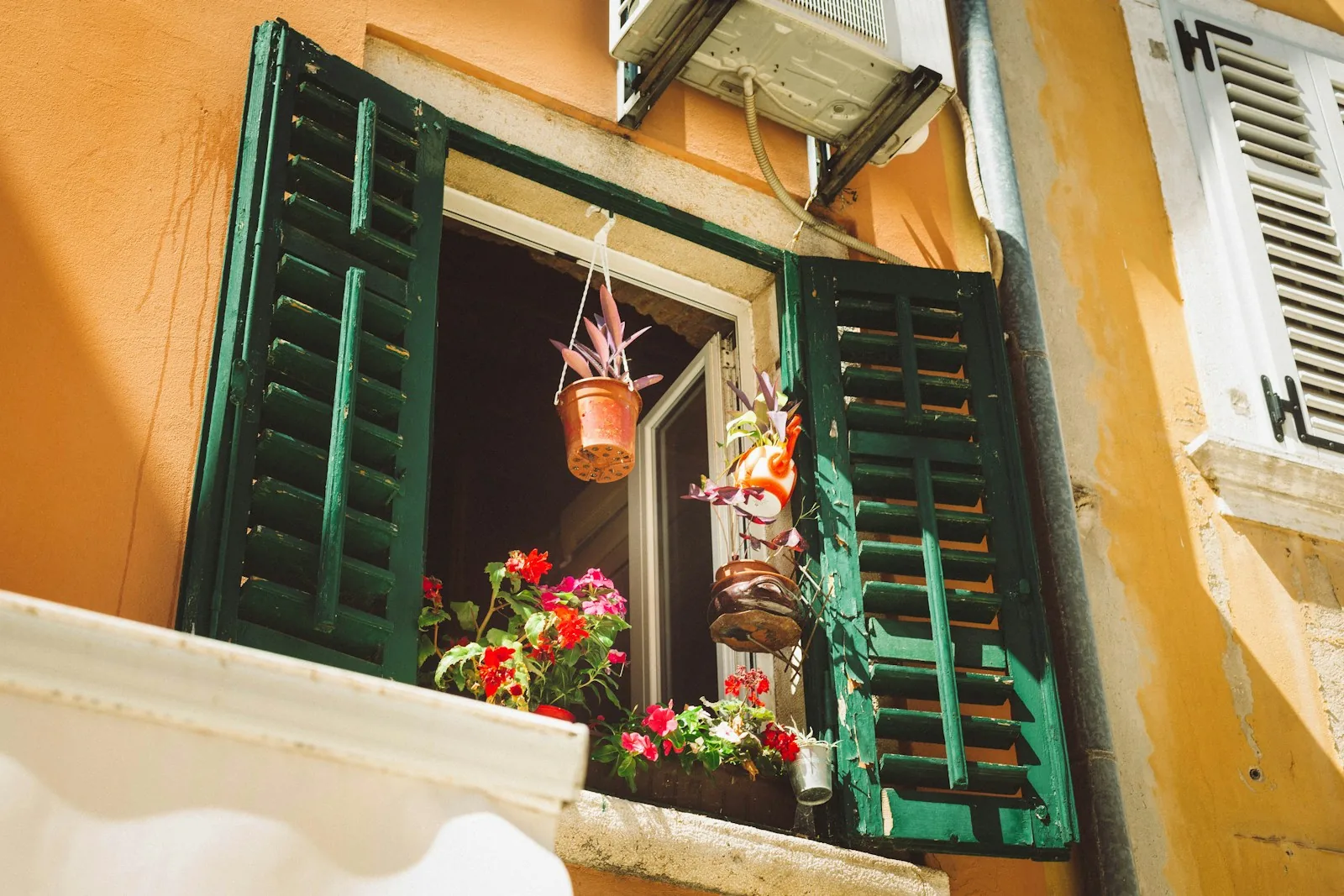
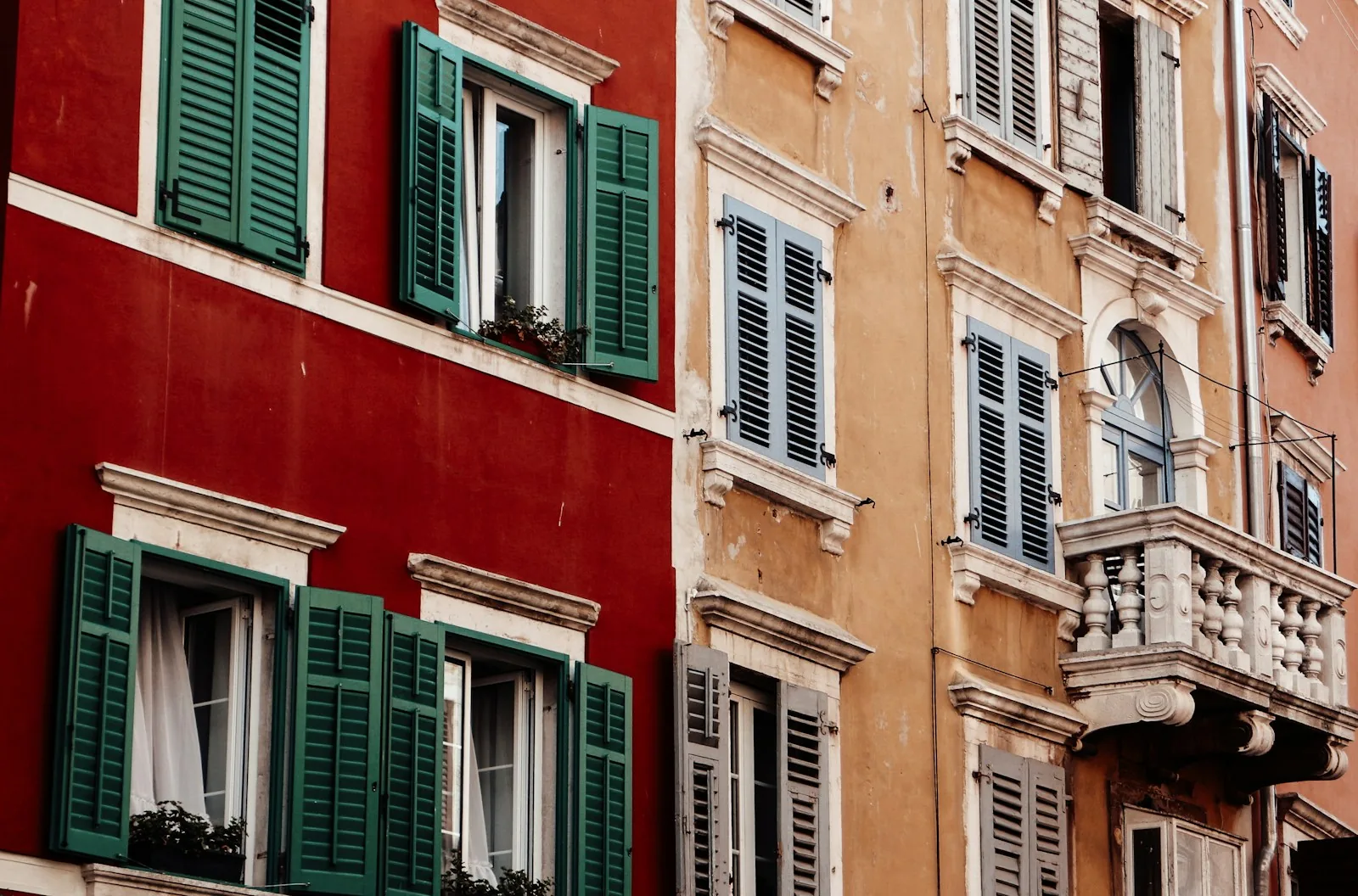
- Look up. The architecture is above eye level — carved stone, Venetian windows, flower-covered balconies.
- The south side (behind the church) is the most authentic part. Most tourists miss it entirely.