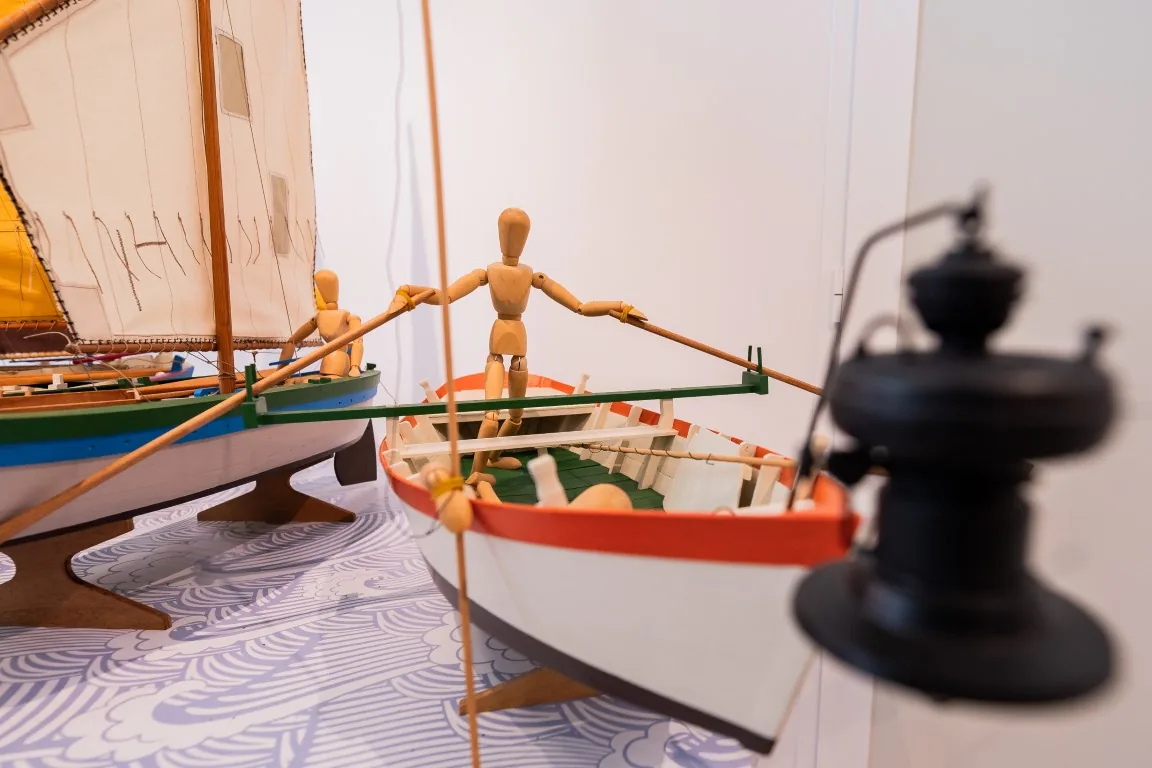
On the western edge of Rovinj's old town, tucked behind the fishing harbour, sits a small museum dedicated to the most ordinary object in town — a flat-bottomed wooden boat called the batana. What makes it extraordinary is that everything around it is still alive: fishermen still row batanas out at dusk, boat builders still hammer planks without power tools, and on summer evenings you can climb aboard one yourself. Casa della Batana is one of the best things to do in Rovinj, and most visitors walk right past it.
What is a Batana?
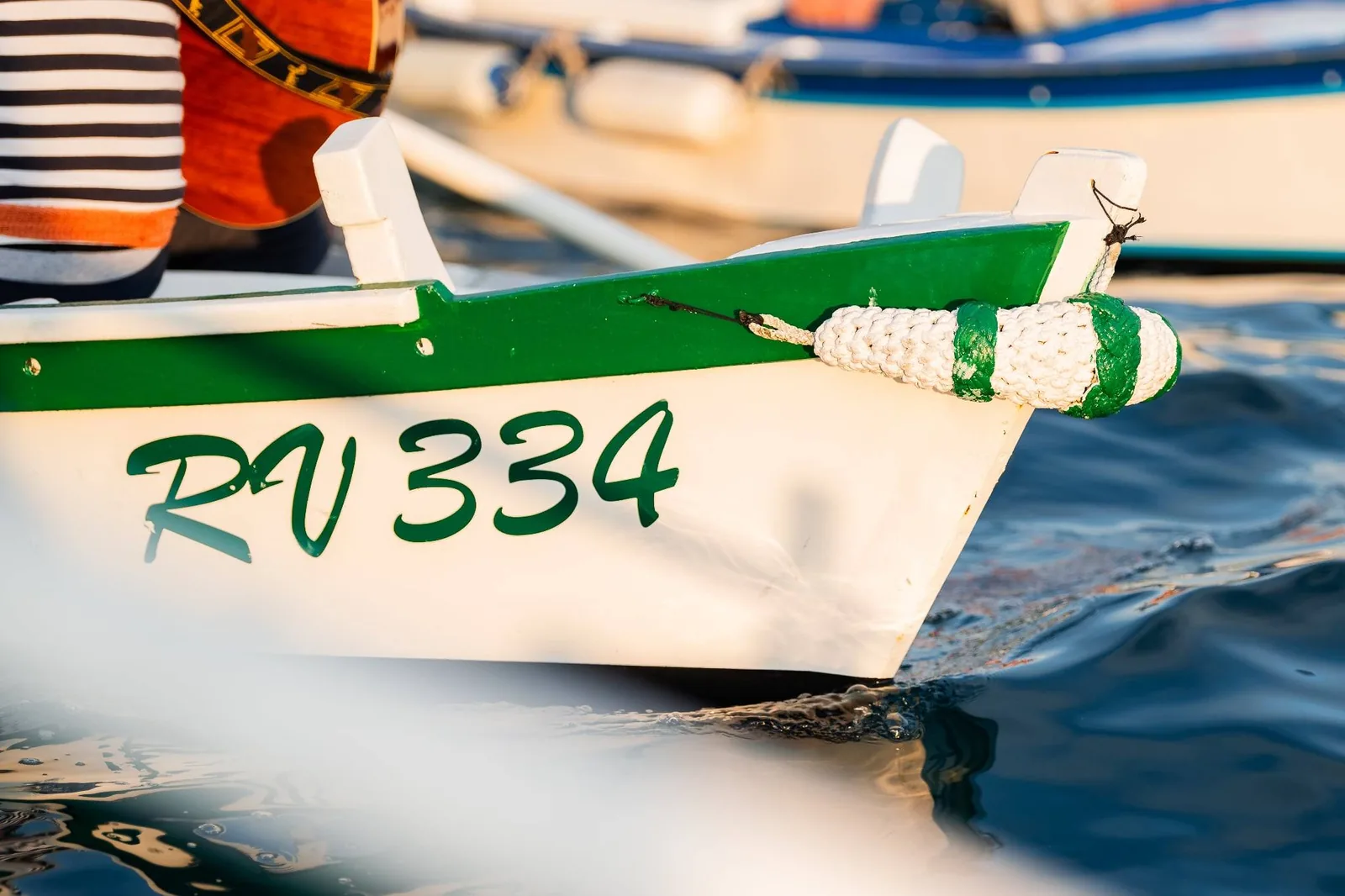
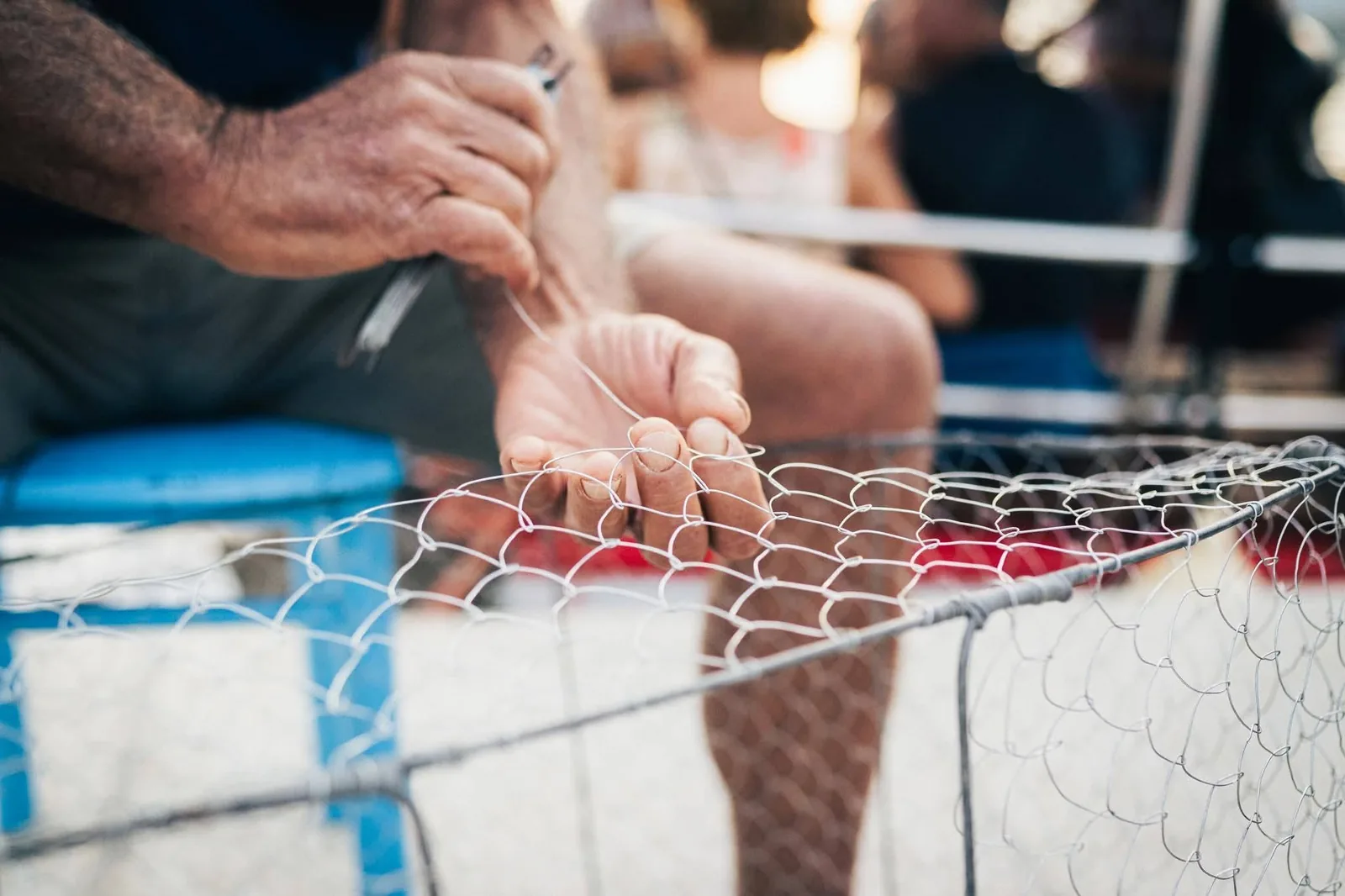
The batana is Rovinj's traditional fishing boat — flat-bottomed, broad, and built to handle shallow coastal waters. Fishermen have used them here for centuries, heading out with lanterns (called sviće) to attract fish at night. The boats are still built by hand in the old town, using techniques passed down through generations. No blueprints, no power tools — just hand tools like an axe, a saw, chisels, and hammers, guided by an eye trained over decades of practice.
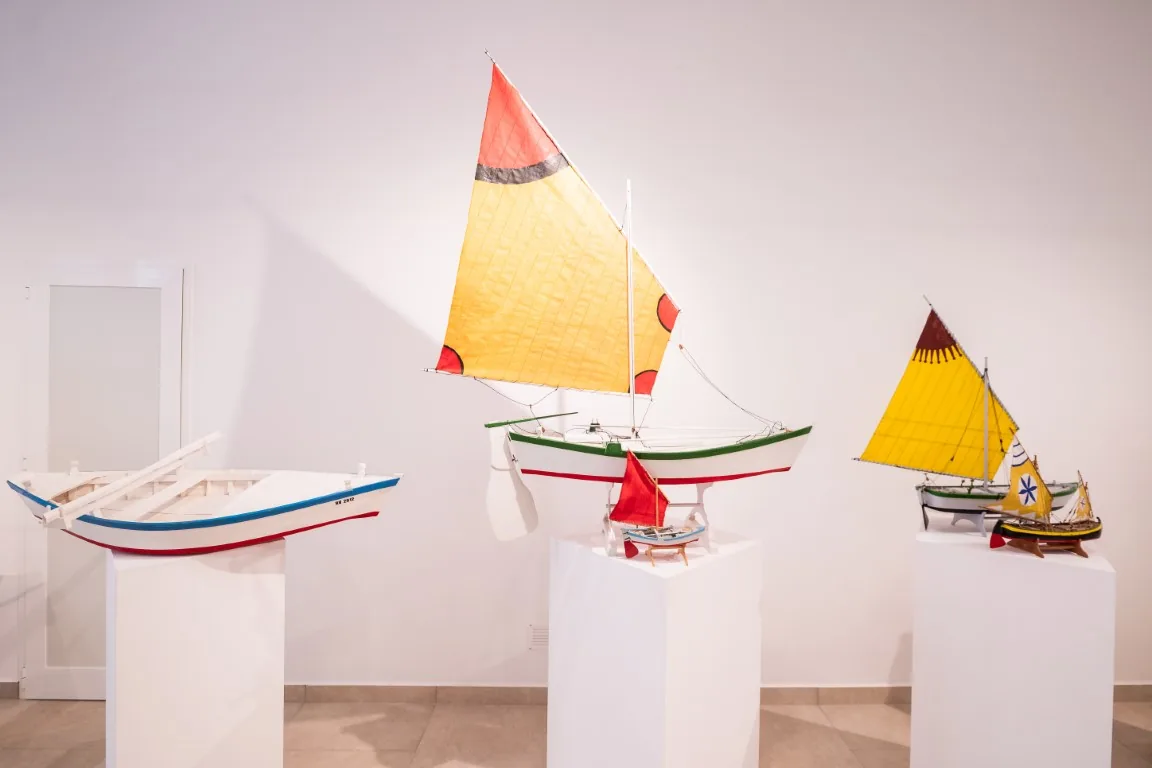
UNESCO recognised the batana and its associated traditions as a "Good Safeguarding Practice" for intangible cultural heritage — one of only a handful of projects worldwide to receive that status. That's a big deal for a small wooden boat.
Visit the House of Batana
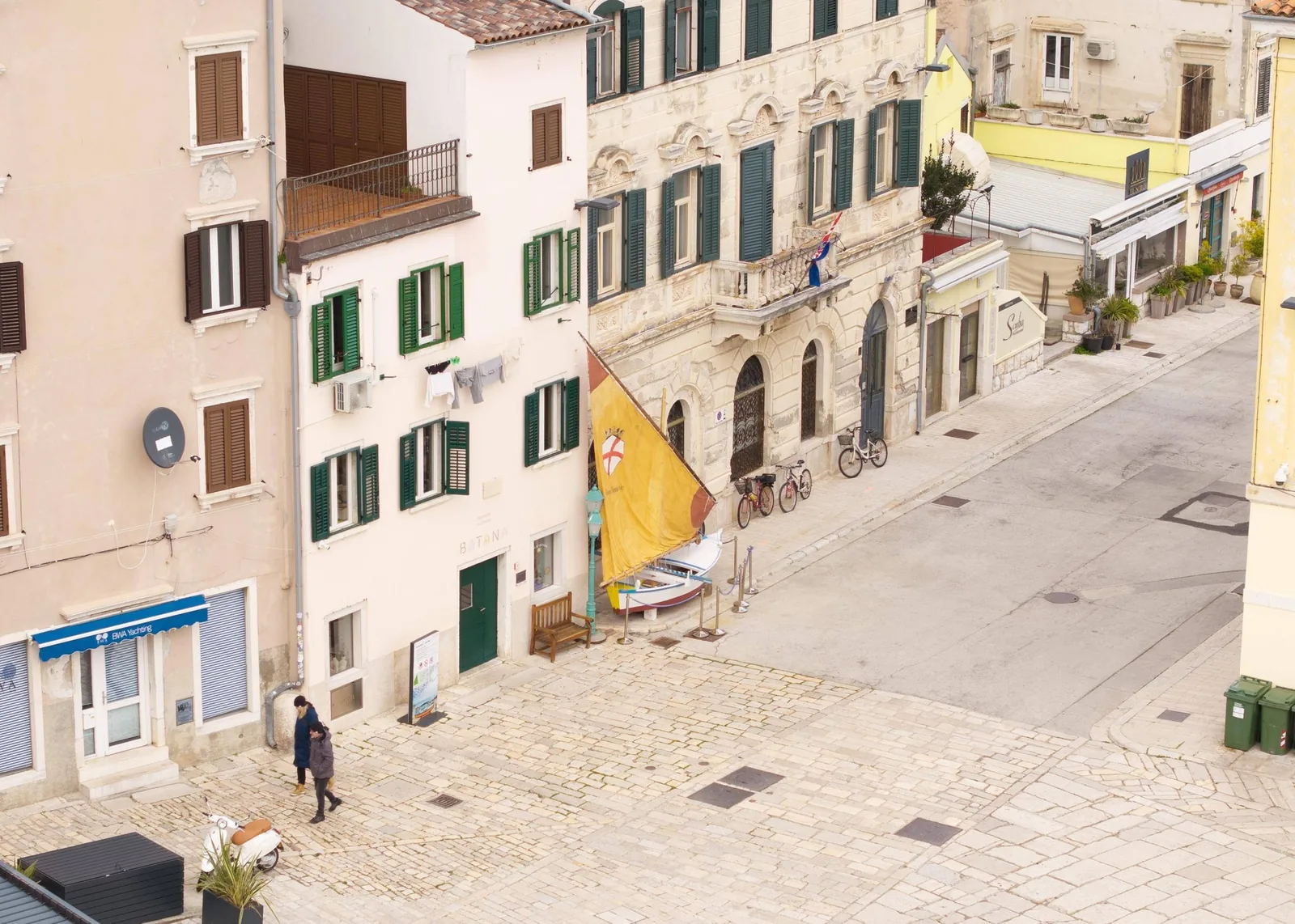
The museum itself is small — you'll walk through it in 20–30 minutes — but it's well done. Exhibits cover the boat's construction, fishing traditions, the dialect-rich culture of Rovinj's fishing families, and the story of how the ecomuseum was built from the ground up by locals. There's a restored batana inside, and the building sits right on the waterfront at Obala P. Budicina 2.
- Hours: June–August 10:00–13:00 and 19:00–23:00, closed Sundays. Shorter hours off-season (check batana.org).
- Tickets: €5 adults, €4 students/pensioners, €3 for groups of 10+.
- How long: 20–30 minutes for the exhibition. Budget more if you're doing a boat ride or dinner.
Take a Batana Boat Ride at Sunset
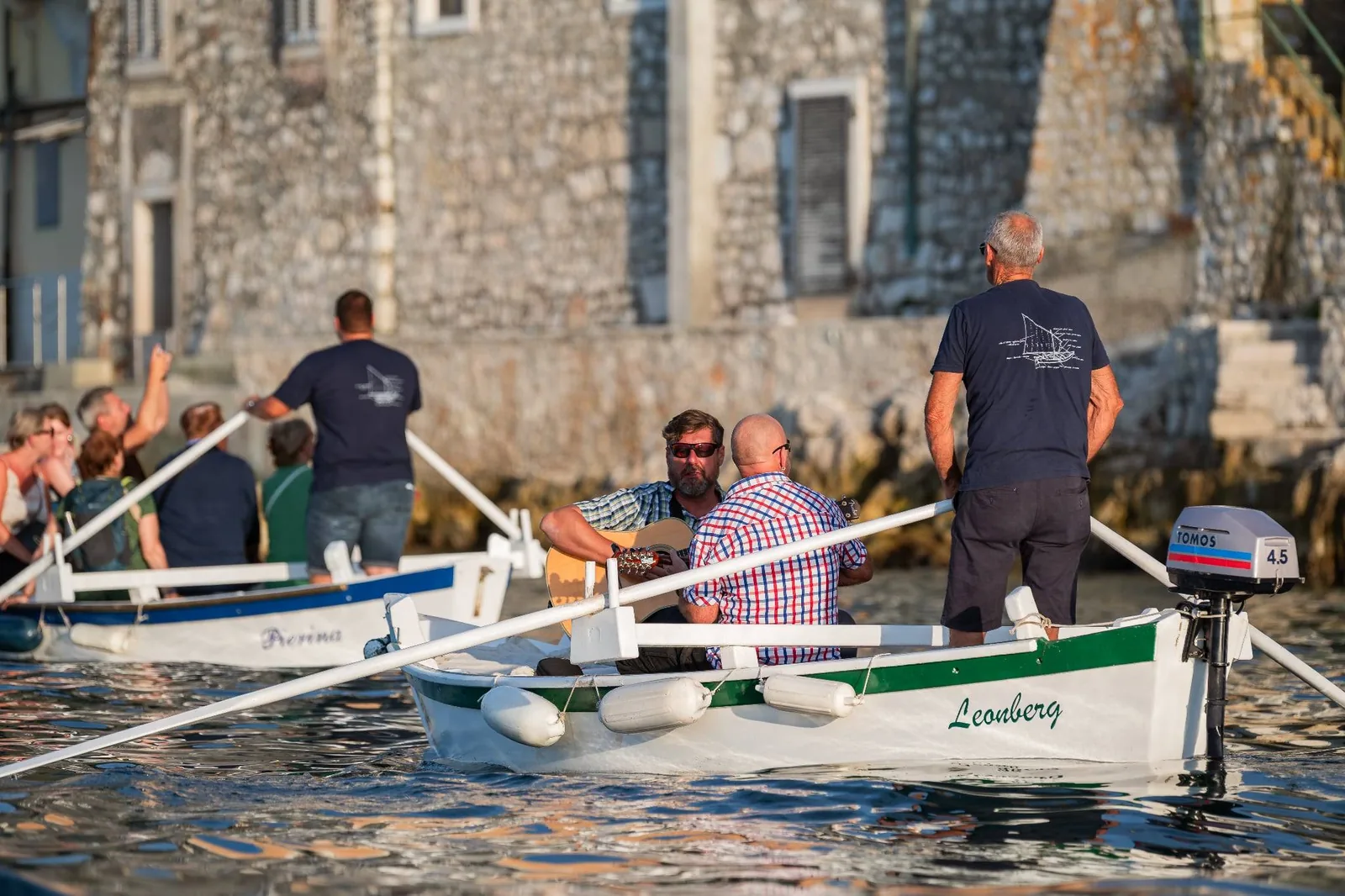
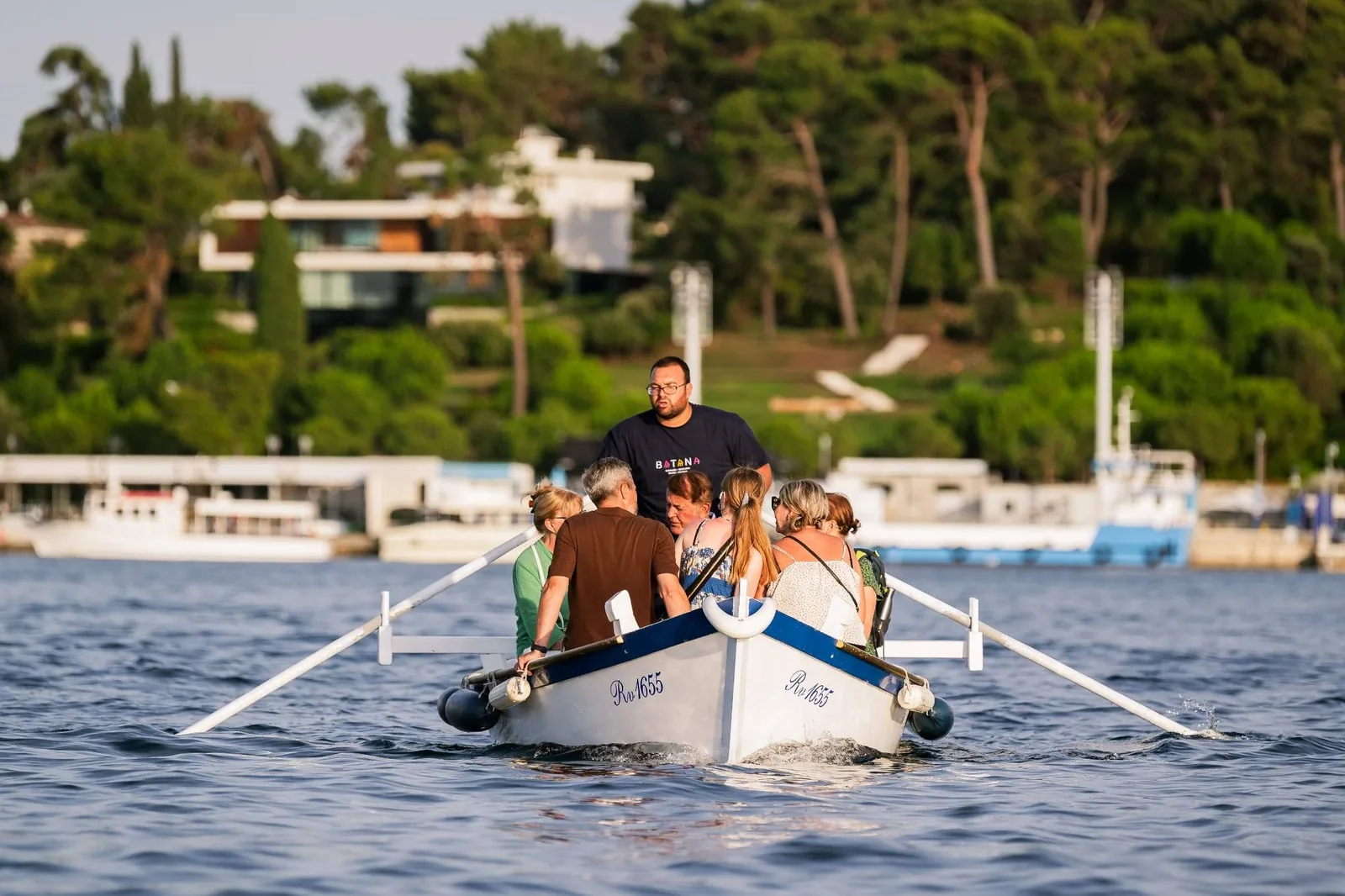
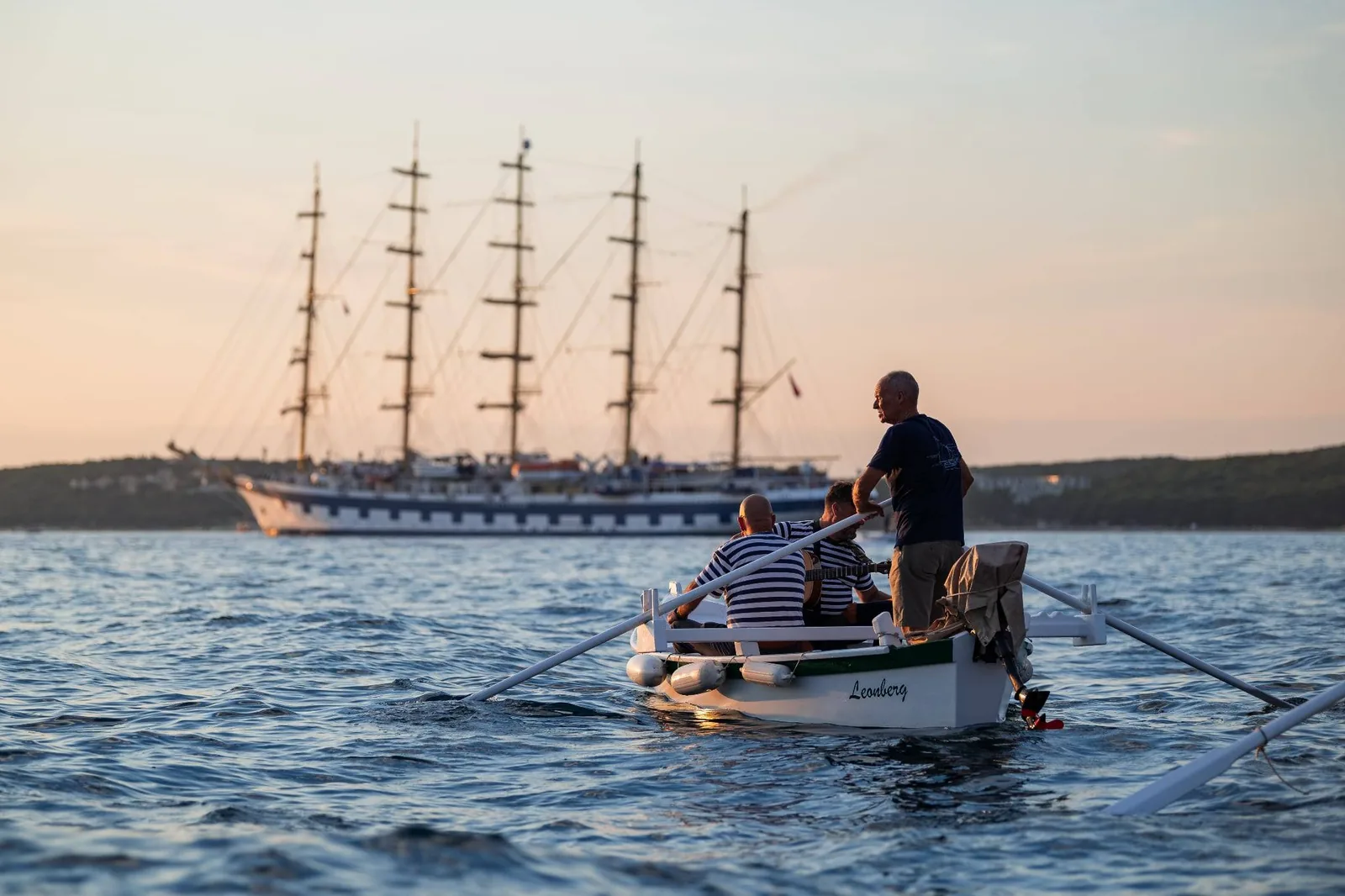
This is the highlight, and one of the most memorable things you can do in Rovinj. On summer evenings, traditional barkarioli (boatmen) row visitors out from Mali Mol (the Small Pier) in restored batanas lit with sviće lanterns. You circle the old town peninsula as the sun drops behind the islands, the stone walls glowing orange above the water.
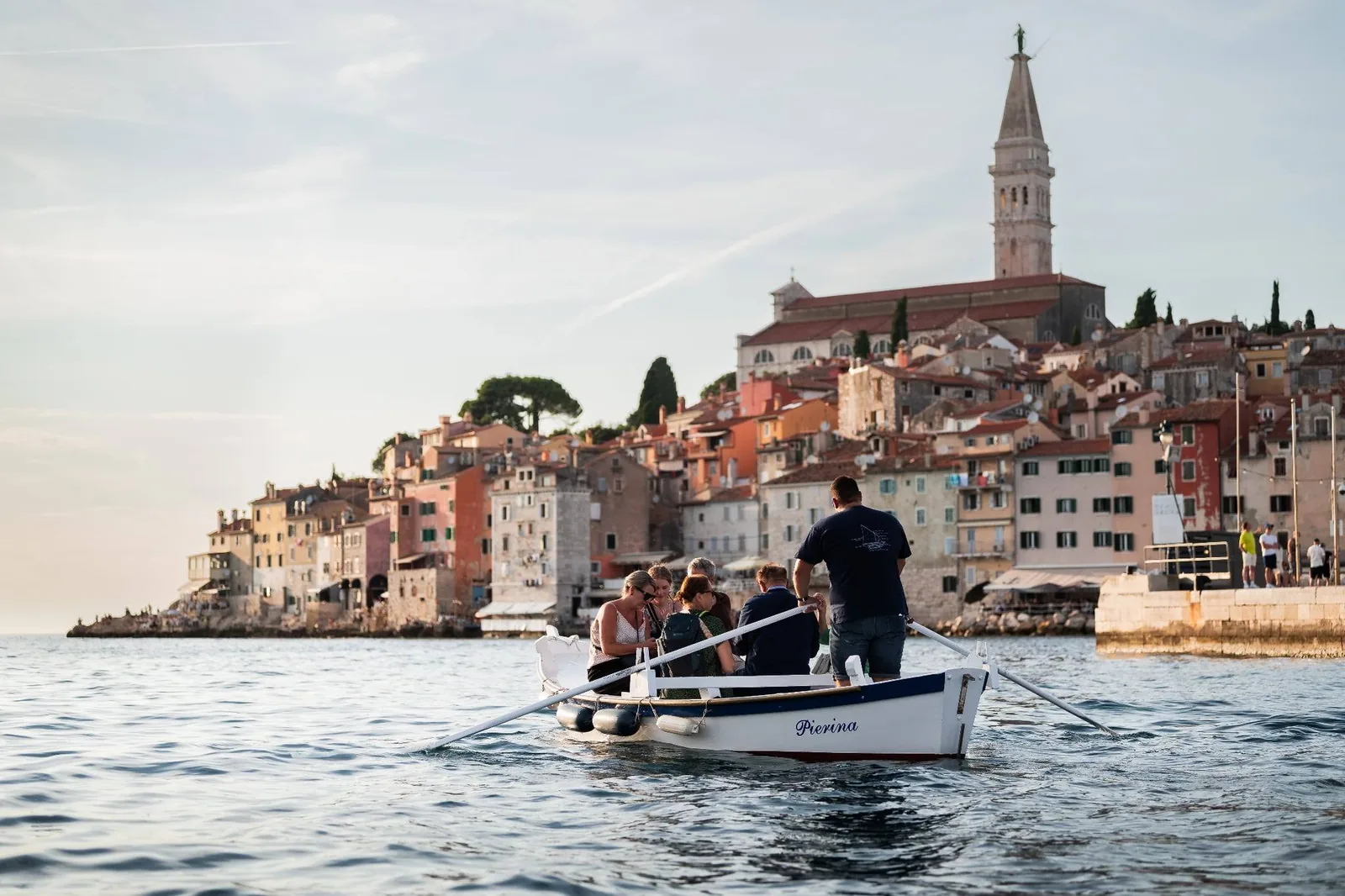
It's slow — deliberately so. The boat barely makes a sound. The barkarioli point out landmarks, tell stories, and if you're lucky you'll hear a few lines of bitinada, the old fishermen's singing style that's as much a part of Rovinj as the boats themselves.
A sample, if you've never heard one:
The ride ends at Spacio Matika, a small traditional tavern on the waterfront — reachable on foot via Svalba street, but arriving by batana is the whole experience.
Do this. It's one of those experiences that sounds touristy but genuinely isn't — there's no microphone, no playlist, no selfie stick. Just wood, water, and a fisherman who's been rowing since before you were born.
Eat at Spacio Matika
Spacio Matika is a recreated traditional Rovinj tavern — a spacio, the kind of front-room wine bar that fishing families used to run out of their homes. You arrive by batana, sit at long tables, and eat what's essentially a fisherman's supper: fresh seafood, cured ham, local cheese, pasta, and bread with olive oil, washed down with malvasia (the local white wine) or teran (the red).
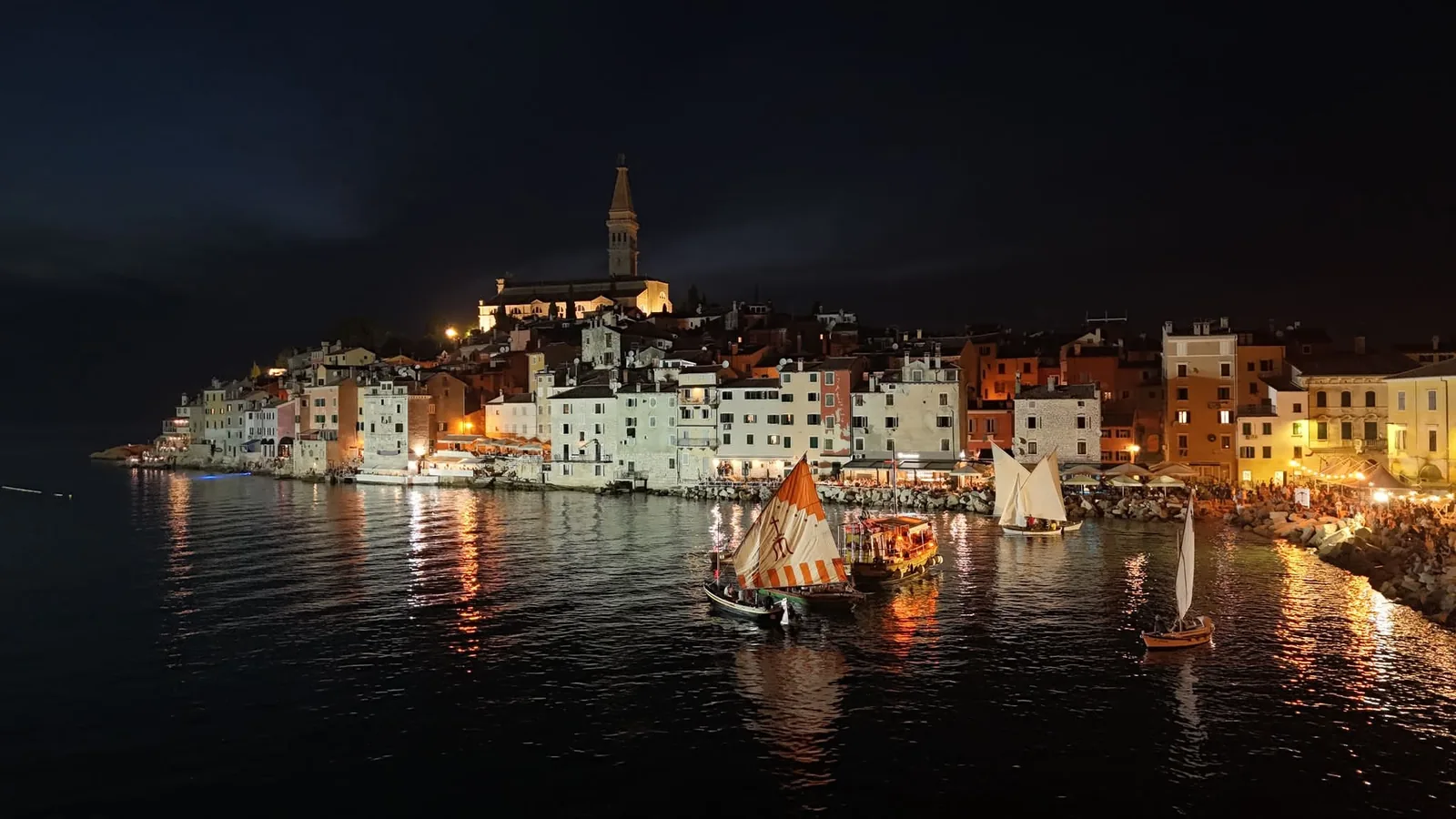
While you eat, a group of locals sings bitinada — unaccompanied, rough-edged, completely real. It's not a performance in the concert sense. It's more like what happens when friends have had enough wine and someone starts a song.
- When: June–September, Tuesday, Thursday, Saturday. Departs 19:00 from Mali Mol.
- Booking: Reserve through batana.org or at the museum reception.
- Off-season: Available for groups of 25+ with 3 days' notice.
Watch a Boat Being Built at Mali Škver
On summer evenings, the ecomuseum stages live boat-building demonstrations at Mali Škver (the Little Shipyard) — a small open-air workspace near the harbour. Master builders work on actual batanas using only hand tools, exactly as their grandfathers did. It's slow, precise, and oddly hypnotic to watch.
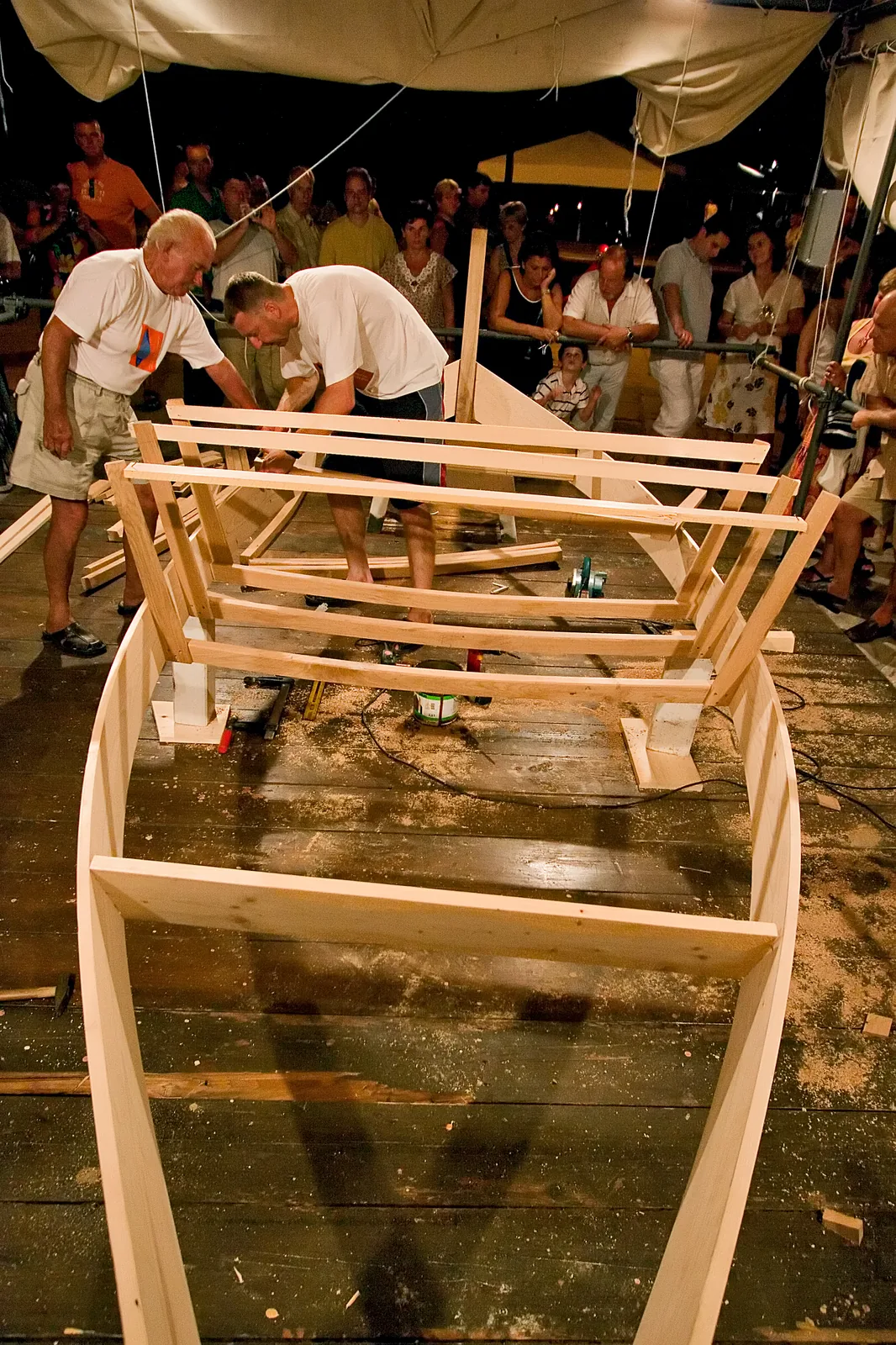
The demos run mid-June through late August, Wednesdays and Sundays, often with music and food alongside. It's free to watch.
Rovinj Regatta of Traditional Boats with Lug and Latin Sail
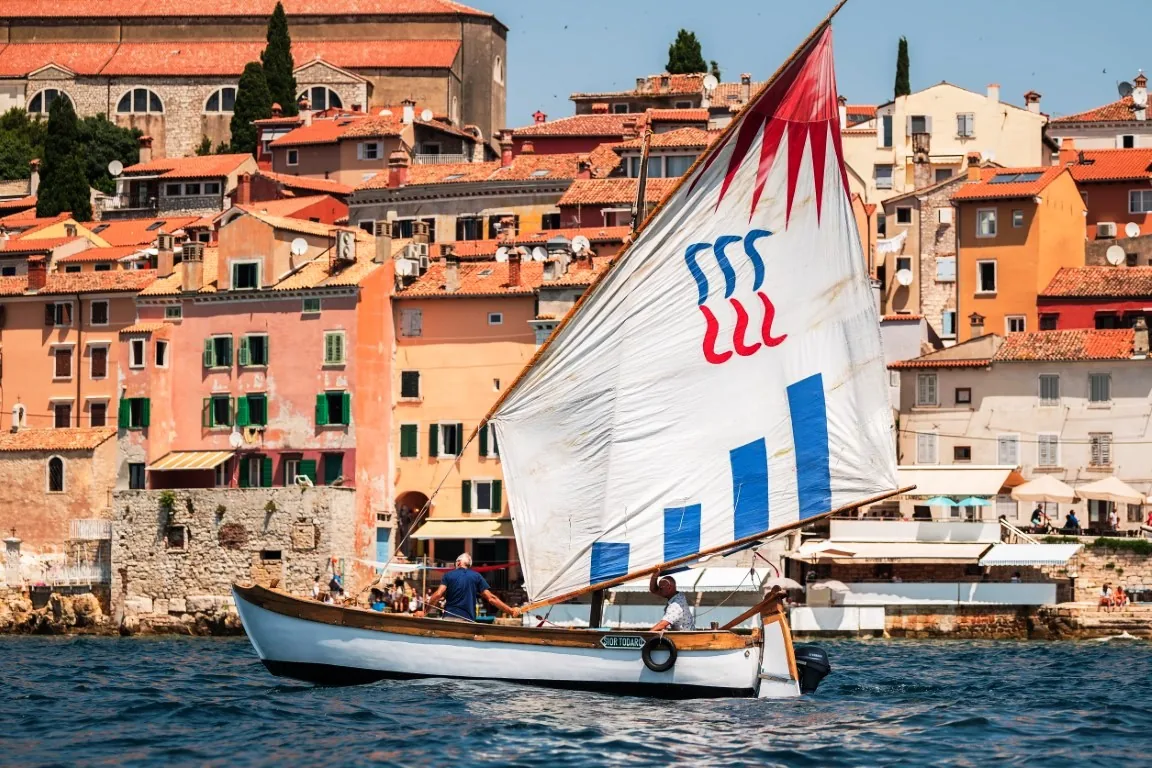
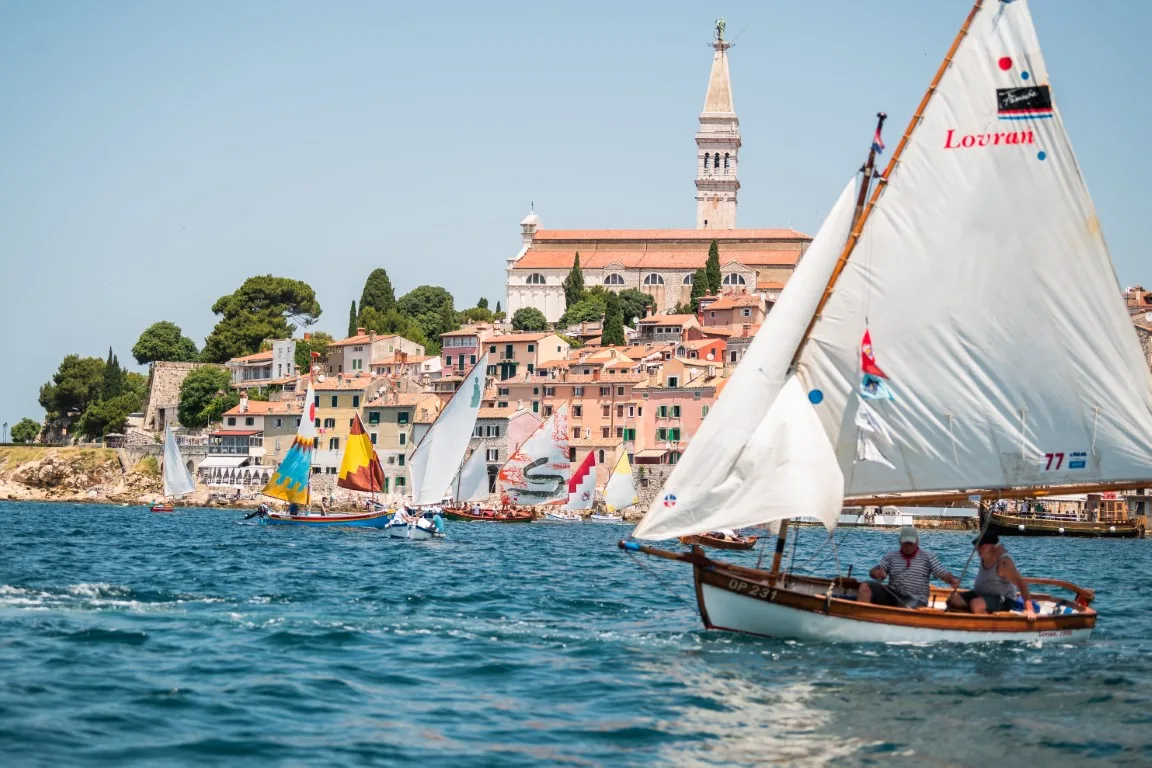
Every June, around 40 traditional sailing boats from across the Adriatic gather in Rovinj's harbour for the annual regatta — one of the few races in Europe still sailed with lugsails and lateen rigs. The 20th edition takes place June 12–14, 2026.
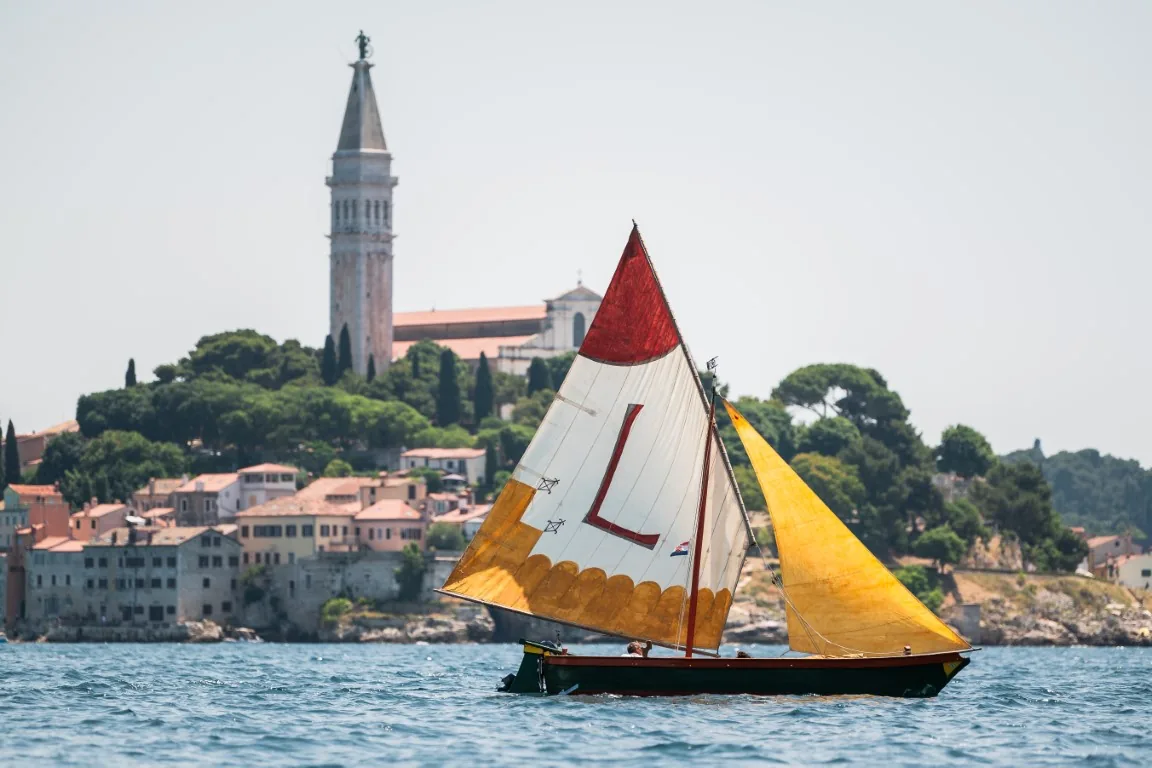
Even if you're not into sailing, it's worth seeing. The harbour fills with beautifully restored wooden boats, their colourful lugsails and lateen rigs catching the wind above the water — fishermen, families, and a slow weekend buzz along the waterfront.
This year the regatta also marks the public launch of TRANS MARIS, a new EU-funded project pairing experienced sailors with young people to pass on traditional maritime skills. Rovinj's maritime heritage isn't just preserved in museums — it's actively being taught to the next generation.
Practical Tips
- Where: Obala P. Budicina 2, on the waterfront just south of the fishing harbour. 2-minute walk from the Balbi Arch.
- Best time: Visit the museum in the morning, do the batana ride + Spacio Matika in the evening. The sunset ride is the whole point.
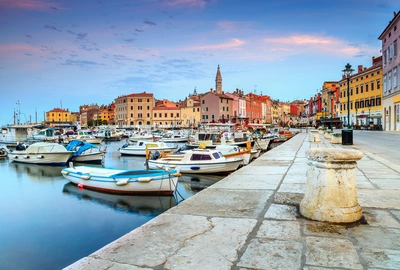
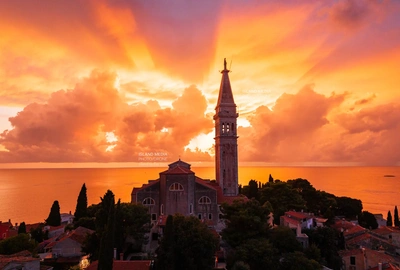
- Combine with: A walk through the old town, then down to Mali Mol for the evening departure. The St. Euphemia bell tower is 5 minutes uphill.
- Book ahead: Spacio Matika evenings sell out in peak season. Book at least a day in advance.
- Language: Guides speak Croatian, Italian, and English.
The batana is a small, unglamorous boat — but what the ecomuseum has built around it is one of the most genuine cultural experiences on the Adriatic. Go for the sunset ride, stay for the sardines and singing, and you'll understand why Rovinj's fishermen never switched to fibreglass.